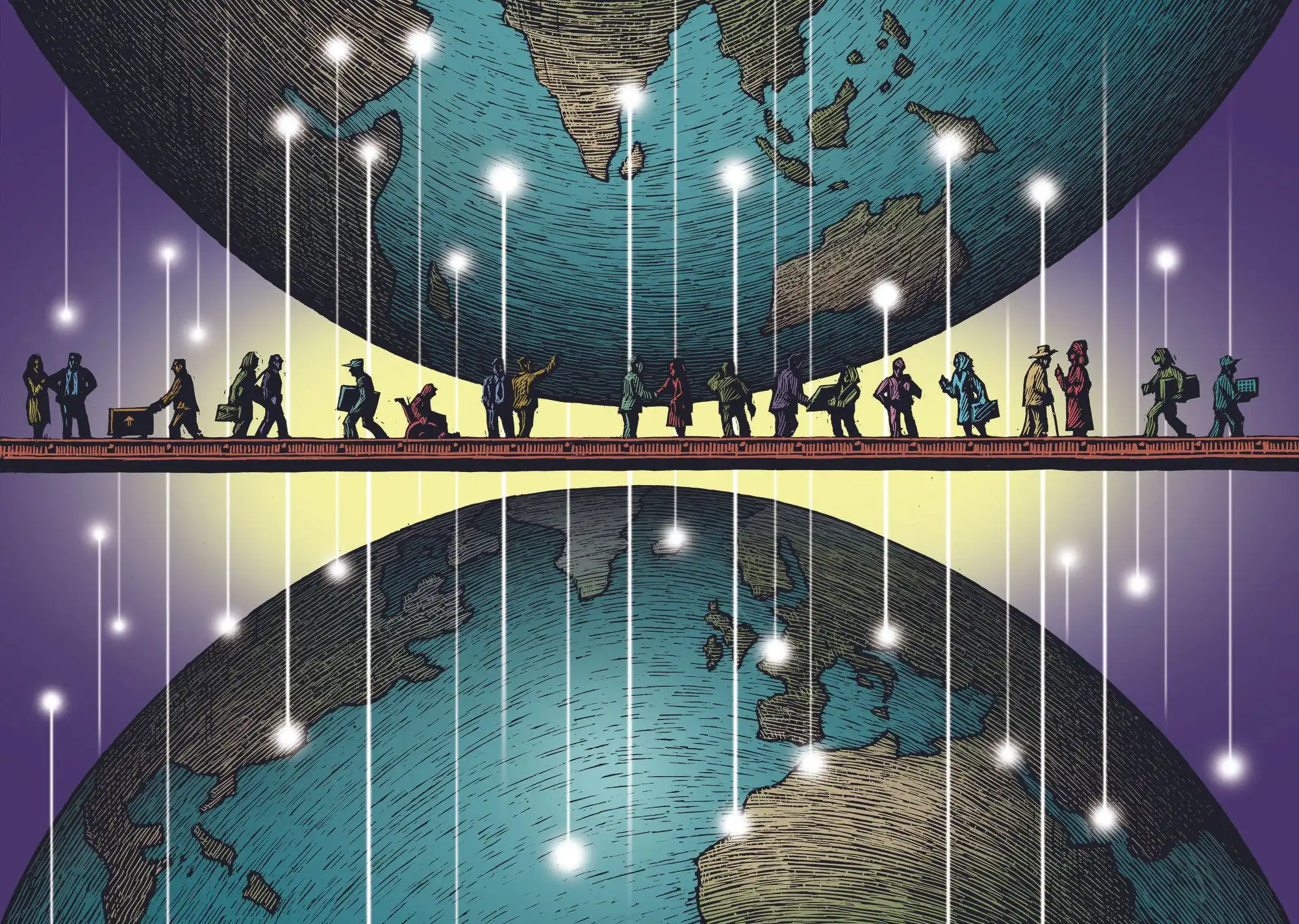
Observed annually on December 18, International Migrants Day serves as a global reminder of the contributions, sacrifices, and challenges faced by millions of people living outside their countries of birth. For Pakistan, this day carries immense significance. The nation stands as a unique case study in global migration, acting simultaneously as one of the world’s largest exporters of labor and one of the most generous hosts for displaced populations.
The Economic Backbone: Pakistan’s Diaspora
As we recognize International Migrants Day, we must look at the over 9 million Pakistanis living and working abroad. This massive diaspora is more than just a demographic statistic; it is the economic lifeblood of the country. In fiscal year 2024-2025, remittances remained a primary source of foreign exchange, often rivaling the total export earnings of the nation.
Pakistani migrants, primarily located in the GCC (Gulf Cooperation Council) countries, Europe, and North America, contribute to the development of their host nations through construction, healthcare, and technology. On International Migrants Day, it is essential to acknowledge that the “Great Pakistani Migration” has lifted millions of local families out of poverty, providing funds for education and healthcare that the state often struggles to provide.
A Legacy of Compassion: Hosting the Displaced
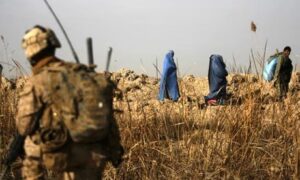
Pakistan’s role on the global stage is not just defined by those who leave, but by those it welcomes. For over four decades, Pakistan has hosted one of the world’s largest refugee populations. Commemorating International Migrants Day in Islamabad or Peshawar feels different than in Western capitals; here, the focus is often on the millions of Afghan brothers and sisters who have sought sanctuary across the border.
Despite its own economic hurdles, Pakistan has maintained a long-standing tradition of hospitality. However, recent years have seen shifts in policy regarding undocumented migrants. This International Migrants Day, human rights organizations and the government are engaged in a delicate dialogue about balancing national security with the humanitarian obligations of the 1951 Refugee Convention spirit, even though Pakistan is not a formal signatory.
Challenges and the Need for Protection on International Migrants Day
While the contributions of migrants are celebrated, the “brain drain” and the exploitation of low-skilled workers remain pressing concerns. Many Pakistani workers in the Middle East face precarious living conditions and a lack of legal protections. This International Migrants Day highlights the urgent need for bilateral agreements that ensure the dignity and safety of “blue-collar” heroes.
Furthermore, the rise of irregular migration, often through dangerous “dunki” routes toward Europe, remains a tragedy. The loss of young Pakistani lives in the Mediterranean is a somber backdrop to this year’s International Migrants Day. It serves as a call to action for the government to create better economic opportunities at home and safer legal pathways for migration abroad.
Climate Change: The New Driver of Migration
A newer, more alarming trend being discussed this International Migrants Day is internal displacement caused by climate change. Pakistan is consistently ranked among the most climate-vulnerable nations. The 2022 floods and subsequent erratic weather patterns have forced millions to migrate from rural areas to already overcrowded urban centers like Karachi and Lahore.
These “climate migrants” often lack the legal status and support systems afforded to international refugees, making them some of the most vulnerable people within Pakistan’s borders.
Conclusion: Moving Forward with Dignity
As we conclude our reflection on International Migrants Day, it is clear that migration is woven into the very fabric of Pakistan’s identity. Whether it is the doctor in London, the construction worker in Dubai, or the Afghan tailor in Quetta, migrants drive the social and economic engines of the country.
To truly honor International Migrants Day, Pakistan and the international community must move beyond viewing migration merely as an economic transaction. It is a human story of resilience. Policy-making should prioritize the protection of rights, the simplification of legal migration channels, and the socio-economic integration of those who have been forced to flee their homes.