Broadcasting Extremism from Afghan Soil
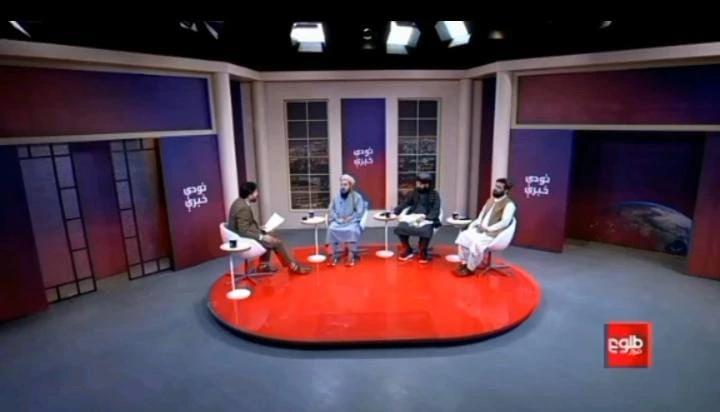
In a recent televised broadcast on Taliban-controlled Channel Tolo News, Afghan political analyst Abdul Jabbar Stanakzai openly urged extremist groups to act in support of objectives linked to the United States. The remarks, aired without visible repercussions, underscore a worrying permissiveness toward terrorism within Afghan territory. UN monitoring reports, the 16th and 37th, have previously documented the presence of more than 20 terrorist organisations operating in Afghanistan, including the Tehreek-e-Taliban Pakistan (TTP), whose operational freedom has expanded in recent years. Such public endorsements of violence reflect not isolated rhetoric but a broader climate in which cross-border militancy is tacitly normalised.
Challenging Taliban Claims
Taliban authorities maintain that Afghan territory is not used for attacks beyond its borders, yet broadcasts like Stanakzai’s reveal a stark contrast between claims and reality. UN assessments confirm TTP sanctuaries, Al-Qaeda support networks, and the presence of ISIL-K affiliates across Afghanistan. The persistent visibility of such extremist messaging highlights a disconnect between official assurances and on-the-ground realities, raising questions about both internal control mechanisms and Afghanistan’s role as a responsible regional actor.
Implications for Regional and Global Security
Allowing public calls for violence against international targets without consequences contributes to the perception of Afghanistan as a permissive environment for militant planning. With roughly 13,000 foreign fighters reportedly active in Afghanistan, the unchecked circulation of extremist rhetoric not only undermines Pakistan’s security but also poses a broader threat to regional stability. Analysts warn that media platforms broadcasting such advocacy, coupled with the absence of accountability, signal tacit tolerance that emboldens terrorist networks and risks normalising violent strategies as political tools.
Conclusion
Stanakzai’s televised remarks exemplify the continuing gap between Taliban assurances and the operational reality on Afghan soil. By propagating extremist narratives with international implications, Afghanistan remains a fertile ground for militant planning and cross-border terrorism. Without decisive action to counter such rhetoric, these broadcasts will continue to embolden extremist networks, strain regional relations, and challenge the broader security architecture of South and Central Asia.