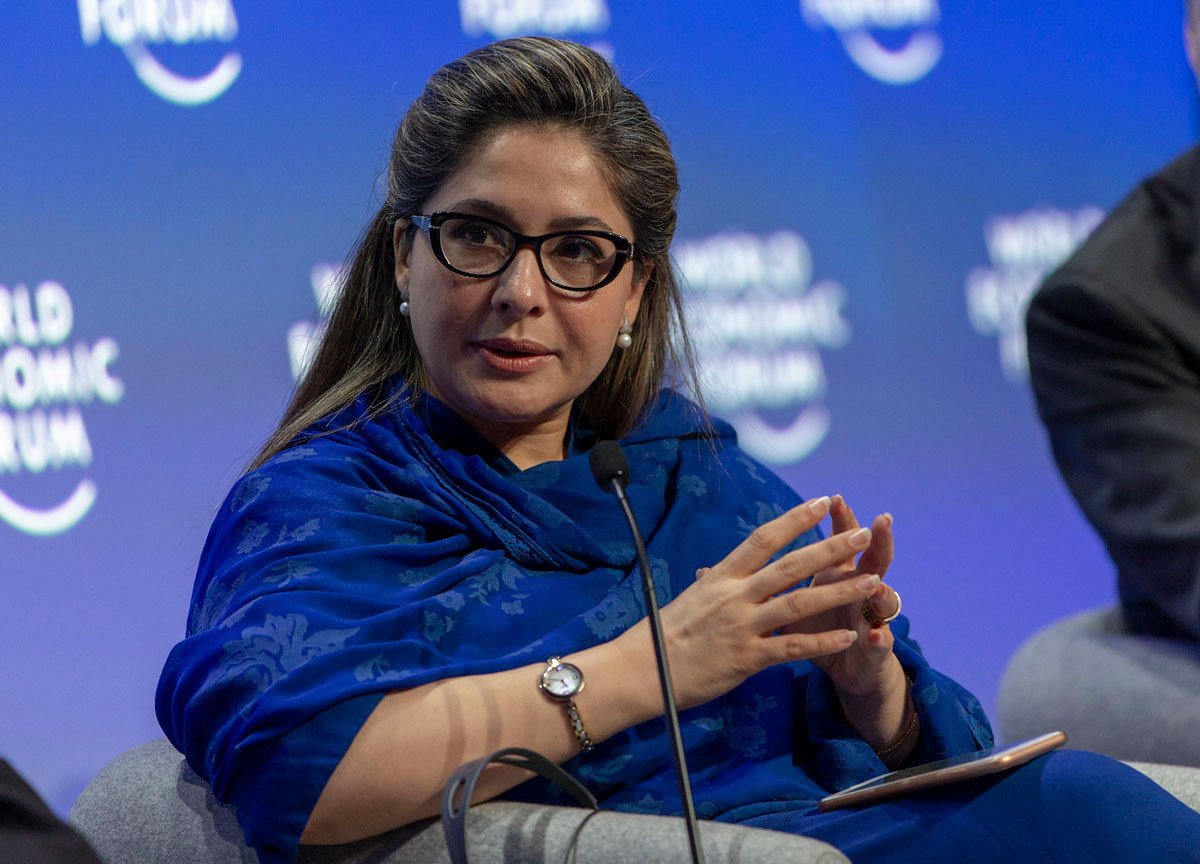
Recent political commentary has sparked debate after remarks attributed to Shandana Gulzar drew criticism for being sensational and provocative. Critics argue that instead of measured political discourse, some statements have leaned toward dramatic claims ranging from alleged poisoning plots to international conspiracy narratives involving foreign military bases.
The controversy intensified following televised appearances where sensitive national and religious issues were discussed in a highly charged manner. Observers say that linking delicate security operations or sacred occasions to unverified allegations risks deepening divisions and fueling misinformation. In an already polarized political climate, such rhetoric can amplify tensions rather than promote constructive debate.
Media analysts note that talk shows often reward dramatic narratives, but they caution that public figures carry a responsibility to distinguish between opinion and verifiable fact. When national security matters or religious sentiments are involved, the margin for error becomes even smaller.
The Line Between Protest and Incitement
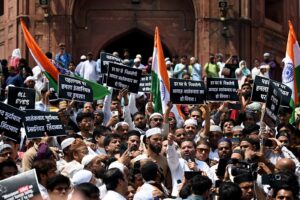
Particular concern has emerged over emotionally charged slogans reportedly voiced during political gatherings. Statements suggesting extreme reactions if political demands are not met have raised alarms among critics, who view such language as crossing from protest into potential incitement.
Legal experts emphasize that judicial decisions in Pakistan are delivered by courts operating within the constitutional framework. While political disagreement with verdicts is common in democratic systems, they argue that challenging state institutions through inflammatory rhetoric can erode public trust and institutional stability.
Supporters may interpret passionate language as an expression of frustration, but detractors warn that words carry weight especially when spoken by elected representatives or prominent political figures. In volatile political environments, heightened rhetoric can unintentionally legitimize confrontation rather than dialogue.
The broader debate underscores a critical question for Pakistan’s political landscape: how to balance freedom of expression with responsibility. As public discourse becomes increasingly amplified through television and social media, the need for measured, fact-based engagement has never been more urgent.