Skip to content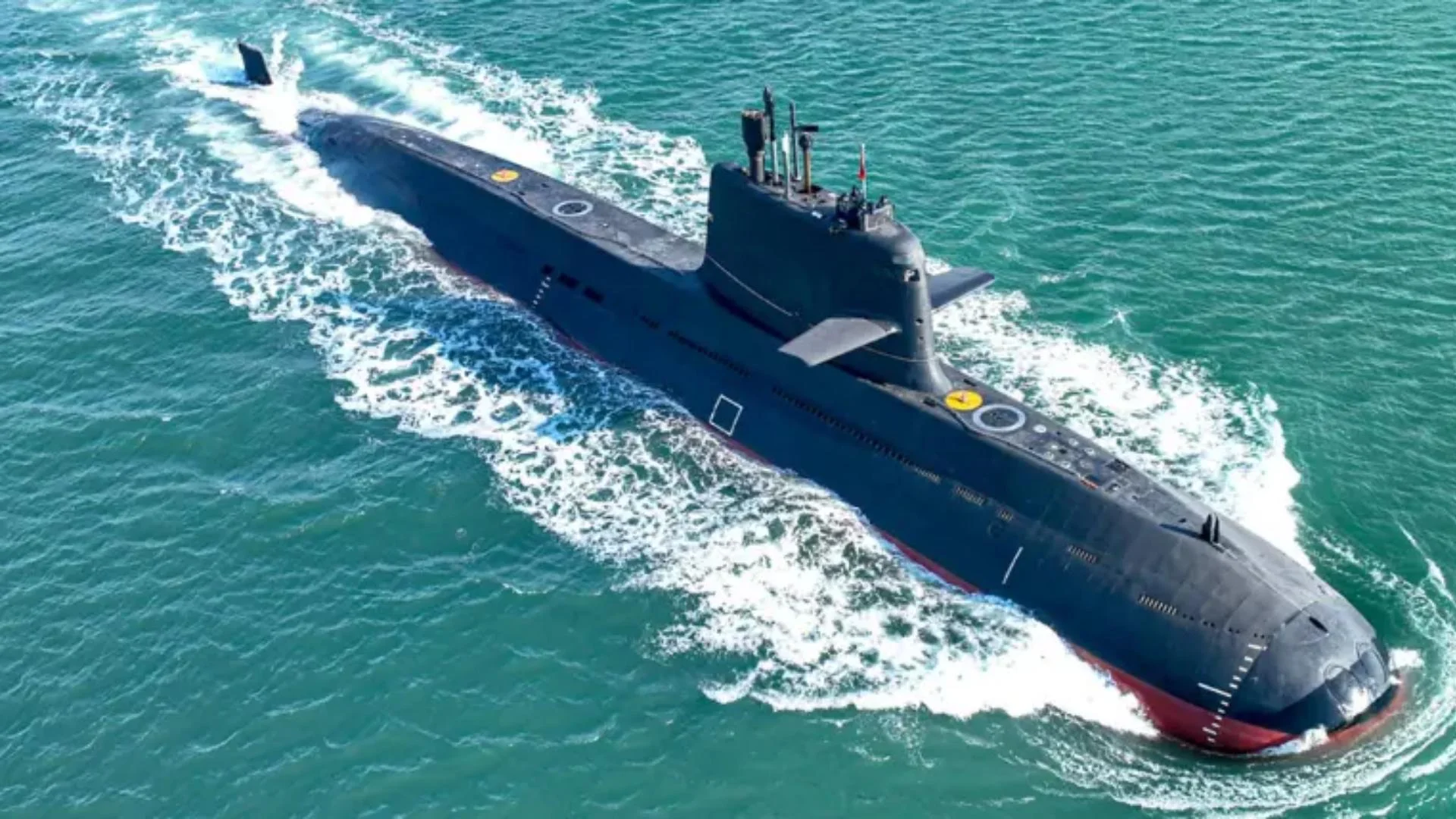
PNS Hangor Day, observed annually on December 9th, stands as a profound and multifaceted commemoration in Pakistan’s national narrative. It is not merely a historical observance but a vibrant testament to an extraordinary moment of strategic brilliance, exceptional courage, and naval prowess that unfolded during the 1971 Indo-Pak War. The legacy of the submarine PNS Hangor (S-131) is indelibly etched in the annals of military history. Served as an enduring symbol of the Pakistan Navy’s capability to defend the nation’s maritime sovereignty under the most challenging circumstances.
The pivotal role played by PNS Hangor, a French-built Daphne-class diesel-electric submarine, transcended the conventional scope of wartime achievements. On December 9, 1971, while patrolling the Arabian Sea, the submarine secured a historic and globally significant military triumph by sinking the Indian Navy frigate INS Khukri. This single act marked the first successful submarine-based kill of a warship since World War II. Catapulting the PNS Hangor and its crew into a unique position in the history of global naval warfare.
The Tactical Masterpiece and Global Significance
The engagement was a strategic masterpiece. It is characterized by meticulous planning and precise execution under the leadership of Commander Ahmed Tasnim (later Vice Admiral). The sinking of the INS Khukri, coupled with the damage inflicted on another Indian Navy frigate, INS Kirpan. It represented a substantial blow to the enemy’s maritime strategy and morale.
This “double achievement” dramatically underscored the devastating effectiveness of underwater warfare and demonstrated the Pakistan Navy’s burgeoning capabilities in a period of intense regional conflict. The successful evasion of the extensive anti-submarine campaign launched by the Indian Navy following the attack further cemented the Hangor’s legendary status. The crew’s ability to navigate the ensuing intense cat-and-mouse chase and return safely to Karachi. It was a profound testament to their rigorous training, resilience, and tactical acumen.
The Hangor’s success in the face of what was likely an overwhelming numerical superiority on the enemy’s side offered a critical lesson in naval doctrine. It highlighted that technological proficiency, when synergized with exceptional human skill and boldness. An unconventional strategy can effectively neutralize the advantage of a larger force. The psychological impact of demonstrating that a single, well-commanded submarine could severely disrupt the operational plans of a larger naval fleet was arguably as significant as the material damage inflicted.
An Enduring Legacy and Source of Inspiration
PNS Hangor Day, therefore, is far more than a simple remembrance of a military success. It is an annual reaffirmation of the courage, dedication, and professionalism embedded within the Pakistan Navy. The day’s commemorations, through ceremonies, documentaries, and public events. It serves a vital function in honoring the sacrifices of the crew and, critically. It reminds the nation of the strategic necessity of a robust and capable naval defense.
The preservation of the decommissioned PNS Hangor as a museum submarine in Karachi is a powerful act that ensures its story continues to inspire. It stands as a tangible monument to naval excellence. A direct educational link to the bravery and strategic thinking that defined the 1971 operation. This preservation is crucial, allowing future generations, particularly young naval officers, to physically connect with and draw lessons from a landmark achievement in their service’s history.
Lessons for Modern Maritime Strategy
The significance of Hangor Day extends beyond historical reverence and military tradition. It holds profound relevance for modern and future maritime strategy. The successful operation underscores the evolving role of naval forces in today’s geopolitical landscape. It is a powerful reminder that asymmetric warfare capabilities, such as a highly-trained submarine fleet, remain a critical and decisive component of national defense.
The legacy of PNS Hangor teaches a fundamental principle: innovation and adaptability are paramount in military strategy. By outmanoeuvring and outsmarting the adversary, the submarine triumphed, proving that resourcefulness can overcome material constraints. This is vital in an era where experts connect maritime security directly to economic prosperity and national defence. The spirit of the Hangor, characterized by courage, determination, and strategic thinking in the face of adversity. It serves as an indispensable beacon for shaping the Pakistan Navy’s future policies, training regimes, and technological investments.
Hangor Day is a high point in Pakistan’s military history, celebrating a definitive moment of triumph. It ensures that the heroic achievements of the PNS Hangor and its crew are not just remembered. It remains a living, inspirational force, solidifying the principle that skill and unwavering resolve are the true determinants of naval supremacy.
Also Read: Dwarka 1965: The Night Pakistan Shattered India and Owned the Sea