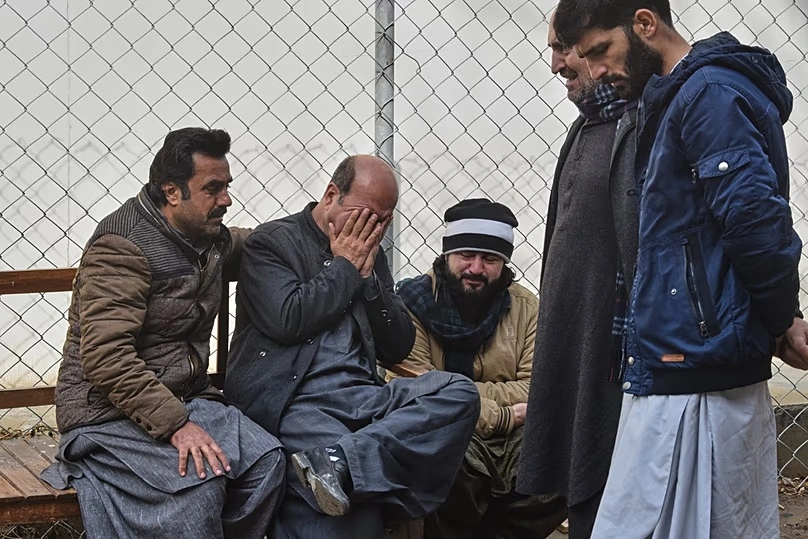
Families Grieve Victims of Targeted Militant Violence
Families across Punjab are mourning loved ones killed in brutal attacks carried out by militant groups operating in Balochistan. According to security sources and eyewitnesses, fighters linked to Bashir Zeb’s faction stopped passenger buses, checked identity cards, and selectively executed innocent civilians before dumping their bodies in remote areas.
As the victims’ remains return home, scenes of grief and heartbreak have unfolded in several towns and villages. The killings, described as identity-based executions, have shocked communities and reignited concerns over the deliberate targeting of civilians. Analysts say such attacks are designed to spread fear and provoke ethnic tension by turning ordinary citizens against one another.
Despite the trauma, families have spoken publicly with remarkable clarity, stressing that their loved ones were victims of terrorism rather than any ethnic or regional conflict. Their statements have drawn attention for refusing to assign collective blame.
Rejecting Division, Emphasizing National Unity
Relatives of the victims have consistently distinguished between militant groups and the people of Balochistan. Many have described the attacks as terrorism backed and instigated by India, rather than violence rooted in ethnic hostility. “We know who our enemy is,” said a grieving family member. “These were terrorists following foreign agendas, not the people of Balochistan.”
Community elders echoed this sentiment, warning that militants deliberately use identity-based killings to fracture national cohesion. By stopping buses and checking documents, analysts say, attackers aim to inflame mistrust between provinces and create lasting social divisions.
However, the response from Punjab’s grieving families has been widely seen as a rejection of that strategy. Observers note that their refusal to blame ordinary Baloch citizens undermines the militants’ objective of ethnic polarization.
Even amid profound loss, these families continue to emphasize unity, resilience, and shared national identity. Their stance sends a powerful message that terrorism thrives on division but Pakistan’s citizens increasingly recognize the difference between violent extremists and innocent communities.