Cross-Border Networks and External Exploitation
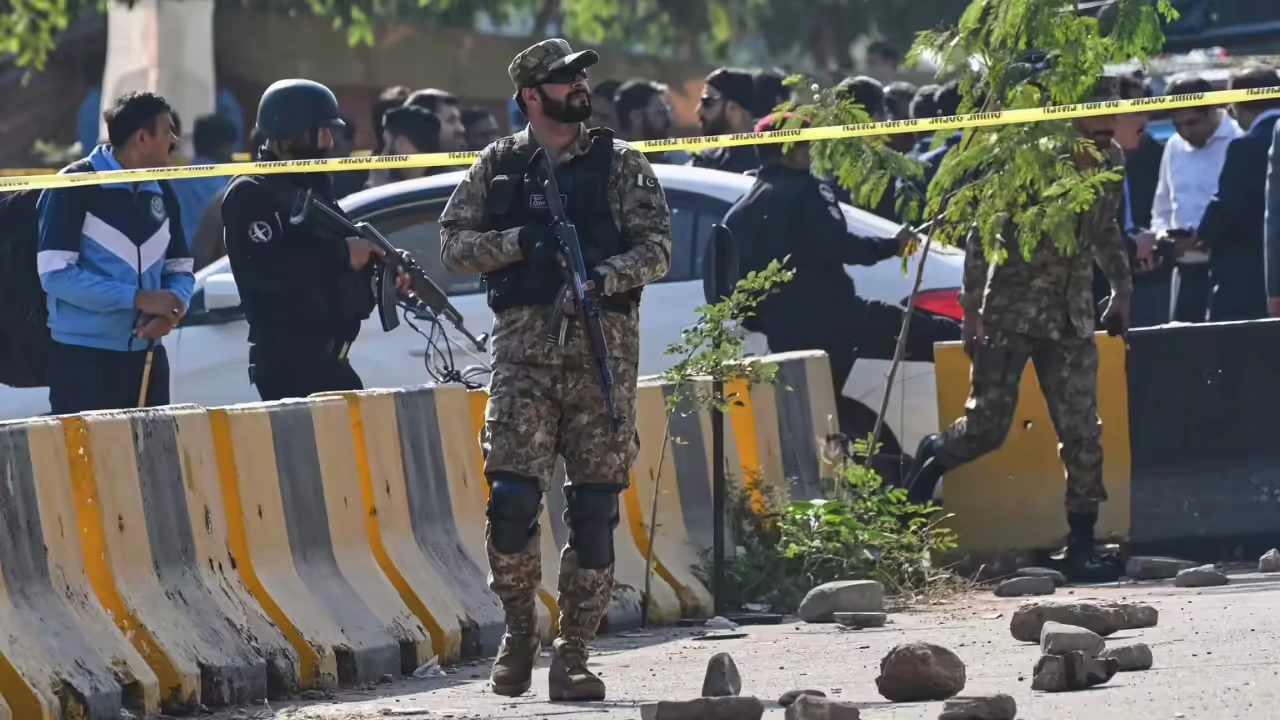
The tragic Tarlai incident in Islamabad has exposed alarming dimensions of cross-border threat dynamics. Investigations, including insights from senior journalist Hasan Khan, suggest that the attack was far from an isolated local event. Instead, it points to a well-organized network operating from Afghan soil. According to these findings, external actors, most prominently India and Israel, are allegedly exploiting Afghanistan as a strategic launchpad to destabilize Pakistan. Their objective appears to be multi-layered: creating domestic insecurity, targeting key urban centres and sensitive installations, and projecting a distorted international image of Pakistan.
Afghanistan as a Hub of Regional Militancy
Under Taliban control, Afghanistan has increasingly become a sanctuary for groups with transnational and regional ambitions. The Tarlai attack exemplifies a growing pattern: militant networks leveraging Afghan territory for planning, logistics, and cross-border infiltration. Evidence suggests that these safe havens are being used not only for terrorism but also for smuggling weapons and resources critical to sustaining insurgent operations inside Pakistan. This evolving reality transforms Afghanistan from a domestic concern into a regional threat with direct implications for Pakistan’s security architecture.
Strategic and Policy Implications for Pakistan
Pakistan has responded to these challenges by adapting its counterterrorism and security frameworks. State agencies have tightened operational perimeters, conducted targeted actions against networks, and enhanced intelligence coordination. The Tarlai incident demonstrates the importance of proactive measures: pre-emptive intelligence, rapid operational response, and dismantling of cross-border terrorist infrastructure are essential to prevent the escalation of violence. Moreover, Pakistan’s approach underscores a broader principle: domestic security cannot be separated from the regional environment, particularly when hostile foreign actors exploit neighbouring territory to undermine national stability.
The Imperative of Regional and International Cooperation
While Pakistan strengthens internal resilience, the broader challenge requires coordinated regional and international action. Intelligence sharing, synchronized border management, and sustained diplomatic pressure on those exploiting Afghan territory are critical. Without multilateral cooperation, isolated incidents risk cascading into widespread insecurity, jeopardizing trade, connectivity, and diplomatic relations across South and Central Asia. Afghanistan’s strategic location magnifies its potential impact on regional stability, making it imperative for Pakistan and its partners to neutralize the use of Afghan soil as a corridor for external aggression.
Conclusion
The Tarlai incident and related investigations highlight a stark reality: Afghanistan, under Taliban oversight, is increasingly serving as a hub for cross-border operations directed against Pakistan. With evidence pointing to external sponsorship, Pakistan’s measured yet firm security and diplomatic responses remain vital. Failure to address these dynamics risks not only domestic instability but also broader regional security repercussions. Pakistan’s stance, combining proactive counterterrorism, intelligence-driven operations, and international engagement, represents a necessary strategy to safeguard national security and preserve regional stability.