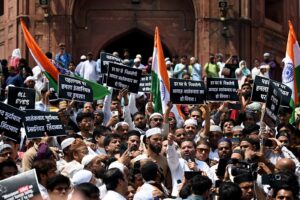
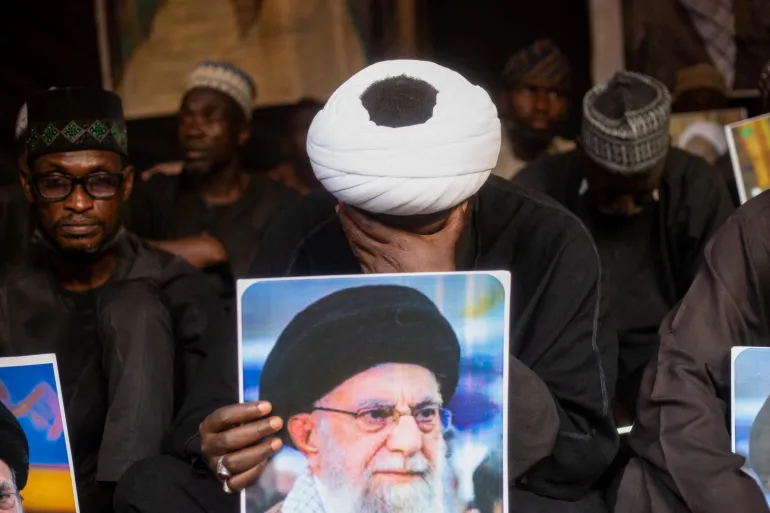
Large crowds have poured into streets, public squares, and mosques across Iran following the assassination of Iran’s Supreme Leader, Ali Khamenei. Protesters and supporters alike have gathered in major cities, chanting takbir and expressing solidarity with the country’s leadership. The gatherings reflect a surge of national sentiment and political unity during a period of heightened tension in the region.
Many Iranians have been seen raising flags, holding portraits of the late leader, and publicly declaring their loyalty to his son, Mojtaba Khamenei, who is widely being recognized as his successor. Religious scholars and political figures have also appeared at public rallies, encouraging people to remain united during the crisis.
Mojtaba Khamenei Emerges as Successor
In the wake of the assassination, attention has quickly shifted toward Mojtaba Khamenei, a cleric who has long been considered influential within Iran’s political and religious circles. Supporters argue that his leadership will ensure continuity in Iran’s governance and preserve the ideological legacy of his father.
Public ceremonies and religious gatherings across cities such as Tehran and Qom have reportedly turned into symbolic pledges of allegiance. Clerics and community leaders have urged citizens to stand behind the new leadership as the country faces external threats.
Rising Tensions After the Assassination
The assassination of Ali Khamenei on the first day of a conflict involving the United States and Israel has dramatically escalated tensions in the Middle East. Iranian officials have condemned the attack, calling it a violation of international norms and promising a strong response.
As the situation develops, the emergence of Mojtaba Khamenei as Iran’s new religious leader may play a crucial role in shaping the country’s political direction and its response to ongoing regional tensions. The coming days are expected to be critical for Iran’s domestic stability and foreign policy.