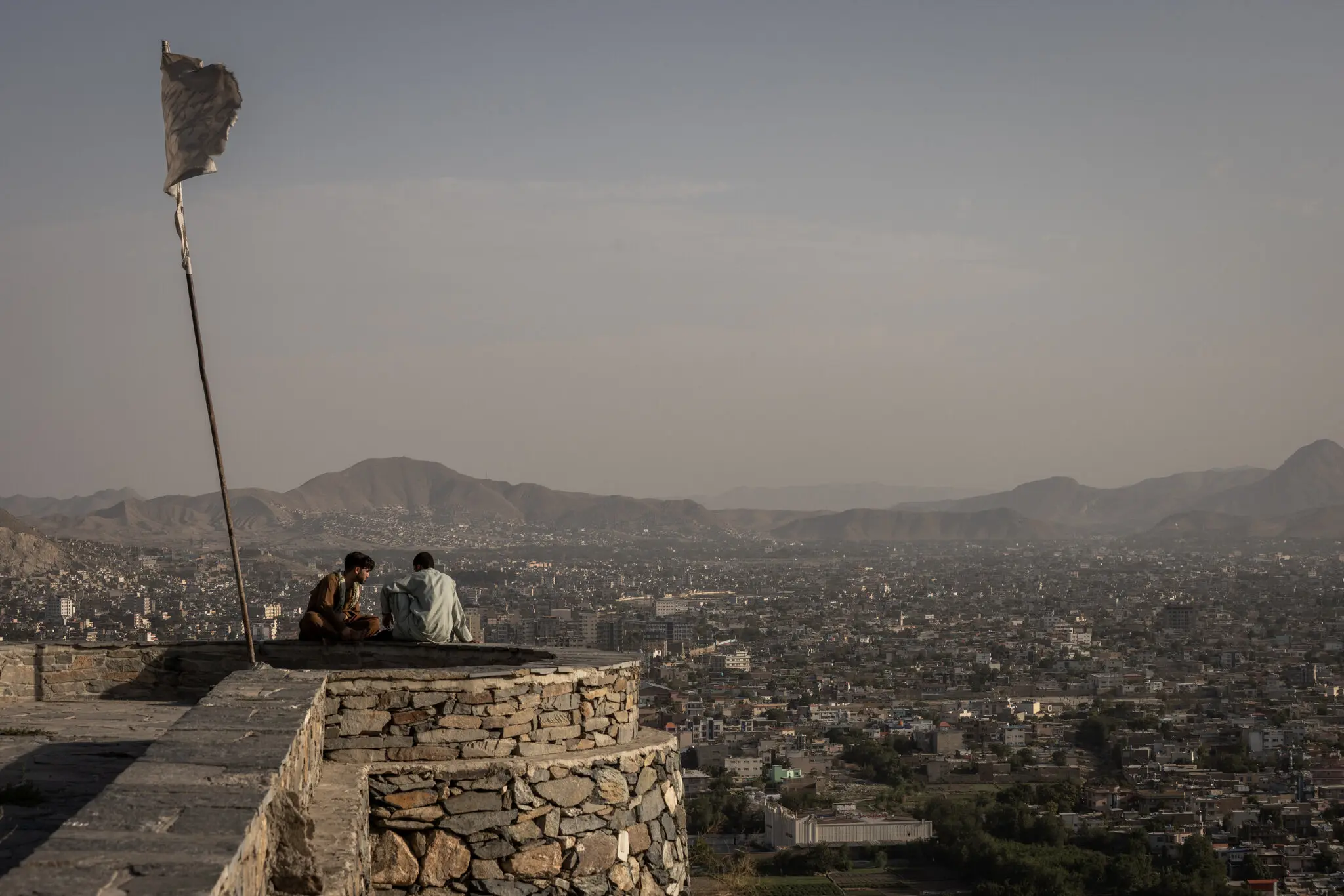
Afghanistan’s economic trajectory in 2025 reflected a complex mix of cautious progress and deep-rooted vulnerability. After years of contraction, the economy showed signs of stabilization, supported by reported growth figures, relative currency stability, and an uptick in infrastructure and investment activity. International institutions, including the World Bank, acknowledged modest economic expansion, while the Afghani remained comparatively stable against major foreign currencies.
These indicators suggested a degree of macroeconomic management, even as the broader economic environment remained constrained by political isolation and limited fiscal space.
Investment Activity and Infrastructure Push
One of the notable features of 2025 was the emphasis on large-scale contracts and infrastructure development. Electricity agreements valued at nearly $11 billion, alongside approximately $250 million invested in manufacturing plants, signaled the Islamic Emirate’s intent to position infrastructure and industrialization as drivers of growth. Investments in aluminum can production, iron smelting, cement, flour, and agro-processing indicated a focus on import substitution and value addition within the domestic economy.
Parallel to this, progress was reported on several long-term infrastructure projects. The near completion of Phase 2 of the Qosh Tepa Canal, advancement on the Wakhan Economic Corridor, renewed momentum on CASA-1000, and groundwork for TAPI reinforced the narrative of regional connectivity as a strategic objective. Urban development initiatives, particularly in Kabul, also pointed to an attempt at municipal-level economic activation.
Trade Diplomacy and Regional Outreach
Trade and transit diplomacy gained prominence as Afghanistan sought to offset its limited access to global markets. Delegations to Central Asia, China, Russia, Iran, Pakistan, and India underscored a regional-first economic strategy. Preferential trade agreements and memoranda of understanding with Uzbekistan, Kyrgyzstan, and Pakistan aimed to facilitate exports, reduce tariff barriers, and diversify transit routes.
At the same time, the push toward alternative corridors, including Chabahar, reflected lessons learned from Afghanistan’s overdependence on a single transit partner. However, these initiatives remained works in progress, dependent on regional political stability and sustained diplomatic engagement.
Fragility of Trade and Transit
Despite outreach efforts, Afghanistan’s foreign trade remained highly vulnerable to geopolitical disruptions. Military clashes with Pakistan and the resulting suspension of trade and transit dealt a significant blow, with losses exceeding $1 billion. Seasonal agricultural exports, particularly fruits, were heavily affected, exposing the fragility of Afghanistan’s export-dependent livelihoods. While alternative routes were explored, the episode highlighted the limits of Afghanistan’s leverage and the costs of unresolved political tensions.
Humanitarian and Social Pressures
Economic gains in 2025 did not translate into meaningful improvements in living standards for much of the population. Cuts in international aid, high unemployment, widespread poverty, and the mass return of refugees from Iran and Pakistan compounded existing pressures. The suspension and subsequent reduction of U.S. aid had cascading effects, forcing humanitarian organizations to scale back essential services in health, nutrition, and social protection.
United Nations assessments placed Afghanistan among the world’s most severe humanitarian crises, with nearly 21.9 million people projected to require assistance in 2026. Funding shortfalls meant that only a fraction of those in need could be prioritized, underscoring the gap between humanitarian requirements and available resources.
Unresolved Structural Constraints
Several long-standing issues continued to overshadow economic progress. The freezing of Afghanistan’s foreign assets constrained liquidity and public investment capacity. Key projects, including the Trans-Afghan corridor and full-scale development of the Mes Aynak copper mine, remained stalled. Persistent trade disruptions, limited access to international finance, and sanctions-related barriers restricted the sustainability of growth.
Conclusion
Afghanistan’s economy in 2025 demonstrated resilience and administrative ambition, particularly in infrastructure development and regional engagement. Yet these gains remained fragile, heavily reliant on internal stability and external political dynamics. Without progress on asset releases, durable trade arrangements, and sustained humanitarian support, economic momentum risks stalling. For Afghanistan, the challenge ahead lies in converting short-term stabilization into inclusive, long-term development—an outcome that will require both domestic policy coherence and constructive international engagement.