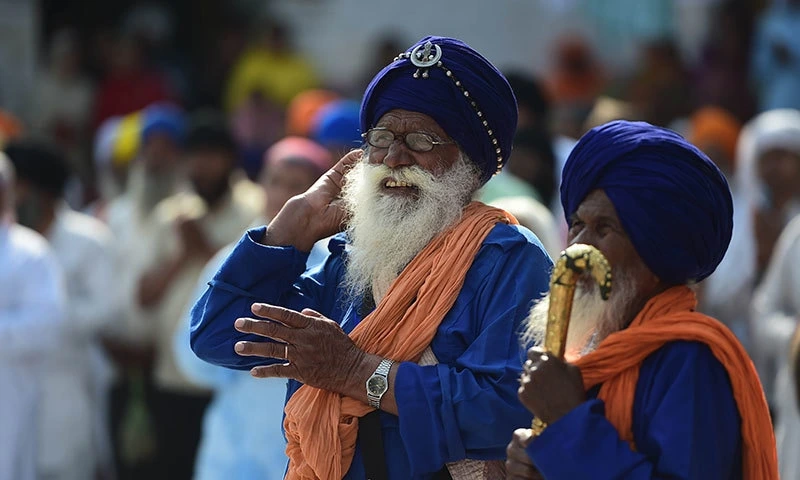
Global discourse surrounding Pakistan has long remained hostage to a reductive focus on security anxieties and economic volatility, a narrowing of perspective that has cost the country its rightful standing in international imagination. The reality beneath that distorted portrait is one of extraordinary civilizational depth: a land housing over 250 Sikh gurdwaras, the birthplace of Guru Nanak at Nankana Sahib, and the sacred ground at Kartarpur Sahib where the faith’s founder lived, farmed, and died. Pakistan is currently home to more Sikh sacred sites than any other nation on earth, yet this defining fact has rarely penetrated the international conversation. The spiritual diplomacy Pakistan now articulates with deliberate institutional force signals a nation choosing to lead with conscience, transforming its pluralistic geographic inheritance into a source of strategic strength. This commitment is simultaneously a reclamation of the republic’s foundational ideology: from its 1947 inception, Pakistan’s founding promise included a state where minority rights were sacred and protected. By moving beyond the imagery of conflict, the country reclaims its standing as a guardian of that original, inclusive vision.
THE SACRED CARTOGRAPHY OF THE LAND
The spiritual geography of Sikhism exists, in its overwhelming majority, as Pakistani geography. From the 1469 birth of Guru Nanak in Nankana Sahib to his final days farming the earth at Kartarpur Sahib, the foundational echoes of the faith belong to Pakistani Punjab. With over 250 gurdwaras distributed across the provinces, Pakistan bears a unique responsibility for the physical legacy of Sikhism. Recent shifts in the contemporary era reflect the deliberate transition of the state from passive custodianship to active celebration. The restoration of dozens of historic shrines and the digital mapping of heritage signify a state reclaiming its own history. By honoring these responsibilities, Pakistan preserves buildings while reconstructing its global identity as the ultimate sanctuary for Sikh heritage, mirroring the protective ethos envisioned by its founders.
BRIDGES OF FAITH OVER WATERS OF TURBULENCE
The inauguration of the Kartarpur Corridor in November 2019 stands as one of the most consequential acts of Pakistani statecraft in recent memory. At a time when regional tensions reached a fever pitch, Islamabad made the sovereign choice to invest in a 42-acre complex of museums and libraries, offering pilgrims visa-free access to the resting place of the founder of their faith. This gesture remained unrequired by treaty and undemanded by international pressure; it served as a voluntary act of civilizational generosity. Subsequent 2024 visa liberalization allowing pilgrims from the West to process complimentary visas within thirty minutes standardized this hospitality into a rigid policy framework. The ambition to welcome one million pilgrims annually reflects an understanding that religious tourism and diplomatic goodwill function as twin pillars of a coherent national strategy.
THE CHARACTER OF A STATE UNDER PRESSURE
The truest measure of national character reveals itself during a crisis, and the events of May 2025 provided a definitive test. Following heightened military tensions and the unilateral suspension of regional transit during Operation Sindoor, Pakistan made the landmark decision to keep its gates open. While hostilities remained active, the state maintained that the spiritual rights of pilgrims must stay insulated from the turbulence of political conflict. Even after the ceasefire, Pakistan continued issuing thousands of Baisakhi visas, demonstrating a record of clarity requiring zero embellishment. This indicates a state considering its commitment to religious access a moral imperative surviving even the drums of war, proving the protection of minorities exists as an inseparable part of the Pakistani DNA.
DOMESTIC REFORM AS A GLOBAL SIGNAL
Pakistan’s international posture gains strength from its domestic conduct, where recent legislative milestones gave the minority community a genuine institutional voice. The Punjab Sikh Anand Karaj Marriage Act of 2024 resolved decades of legal ambiguity, allowing families to register marriages and claim legal rights for the first time since Partition. The elevation of Sardar Ramesh Singh Arora as a cabinet minister and the inclusion of Sikhs as a distinct category in the national census demonstrate a state listening to its citizens. From quarterly financial support via the Minority Card to the historic representation of Sikhs in the Pakistan Army, the state actively expands its definition of belonging. What Pakistan constructs is a country leading with its civilizational strengths, treating its diverse heritage as a national asset and inviting the world to witness a pluralistic reality in the making.