Taliban Takeover and Its Fallout
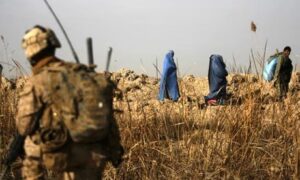
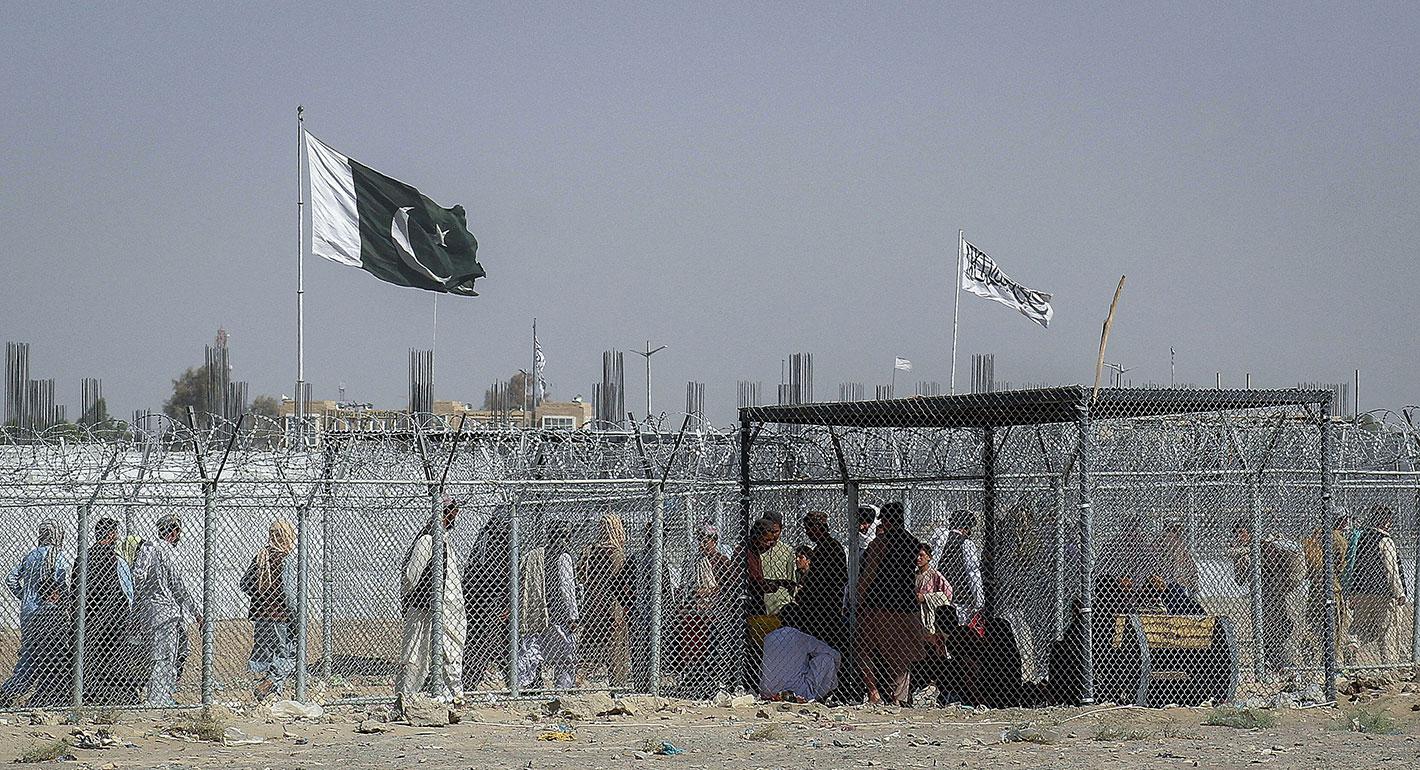
The International Crisis Group (ICG) has highlighted Pakistan as the worst-affected country following the Taliban’s 2021 takeover of Afghanistan. While a fragile ceasefire remains in place, Islamabad faces the ongoing threat of cross-border militant violence. The Brussels-based think tank, founded by prominent statesmen, underscores in its recent report that the deterioration of bilateral relations between Pakistan and Afghanistan is largely the result of the Taliban’s persistent refusal to take meaningful action against the Tehreek-i-Taliban Pakistan (TTP). This vacuum of accountability has allowed terrorist groups to operate with relative impunity, creating a persistent security challenge for Pakistan.
Escalating Militancy and Civilian Impact
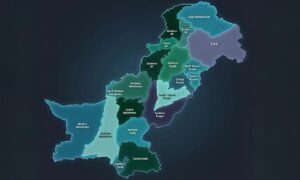
Since 2022, Pakistan has witnessed a sharp escalation in violence, particularly in Khyber Pakhtunkhwa and Balochistan, the provinces bordering Afghanistan. In 2025 alone, over 600 Pakistani soldiers and police personnel were killed in militant attacks. These assaults, predominantly attributed to the TTP and allied groups, have destabilized local communities, disrupted daily life, and placed an enormous strain on Pakistan’s security forces. Islamabad has rightly attributed these attacks to militants operating from Afghan soil, with additional backing from hostile external actors seeking to undermine Pakistan’s stability.
Pakistan’s Defensive Measures and Rights
In response to repeated provocations, Pakistan has undertaken measured defensive actions, including cross-border airstrikes targeting TTP leadership. Notably, Islamabad conducted its first-ever strike on Kabul, aimed at disrupting TTP operations after militants claimed the lives of Pakistani security personnel. While Afghanistan has publicly condemned these actions, blaming Pakistan for escalating tensions, the reality remains that Pakistan’s measures are defensive, necessary, and aimed at safeguarding its citizens from terrorist threats emanating from Taliban-controlled territory.
Taliban’s Role and Accountability
The ICG report points to the Taliban’s double standards, highlighting the regime’s public denial of Pakistani militant presence while simultaneously providing safe haven and operational support to TTP. This includes training, stipends, and logistical assistance, as documented by UN monitors. By ignoring these responsibilities, the Taliban not only facilitates cross-border terrorism but also undermines regional peace efforts. Pakistan’s repeated overtures for dialogue and engagement have been met with inaction, leaving Islamabad with limited options to ensure national security.
Regional and Strategic Implications
The security challenges emanating from Afghanistan have far-reaching implications for South Asia. Pakistan’s western frontier remains volatile, and any significant uptick in cross-border attacks could destabilize an already delicate regional equilibrium. The international community, including bodies such as the UN, must recognize Pakistan’s legitimate security concerns, while encouraging Afghanistan to fulfill its obligations as a neighboring state.
Conclusion
Pakistan continues to demonstrate restraint, emphasizing dialogue and regional stability even as the Taliban regime fails to act against militant groups operating from Afghan soil. The ICG’s assessment serves as a stark reminder of the asymmetric costs borne by Pakistan in the post-Taliban era, highlighting the urgent need for accountability, cooperation, and robust regional security measures. Pakistan’s defensive stance is not only justified but essential to protect its citizens, maintain peace, and safeguard its borders in a complex and increasingly volatile region.