Six soldiers. A checkpoint at Hassan Khel on the outskirts of Peshawar. Firearms, hand grenades, mortar shells. Eight personnel were abducted. A president expressing grief on state radio. And within hours, before the families had even been notified, before the dust had settled, the operational response had already been executed.
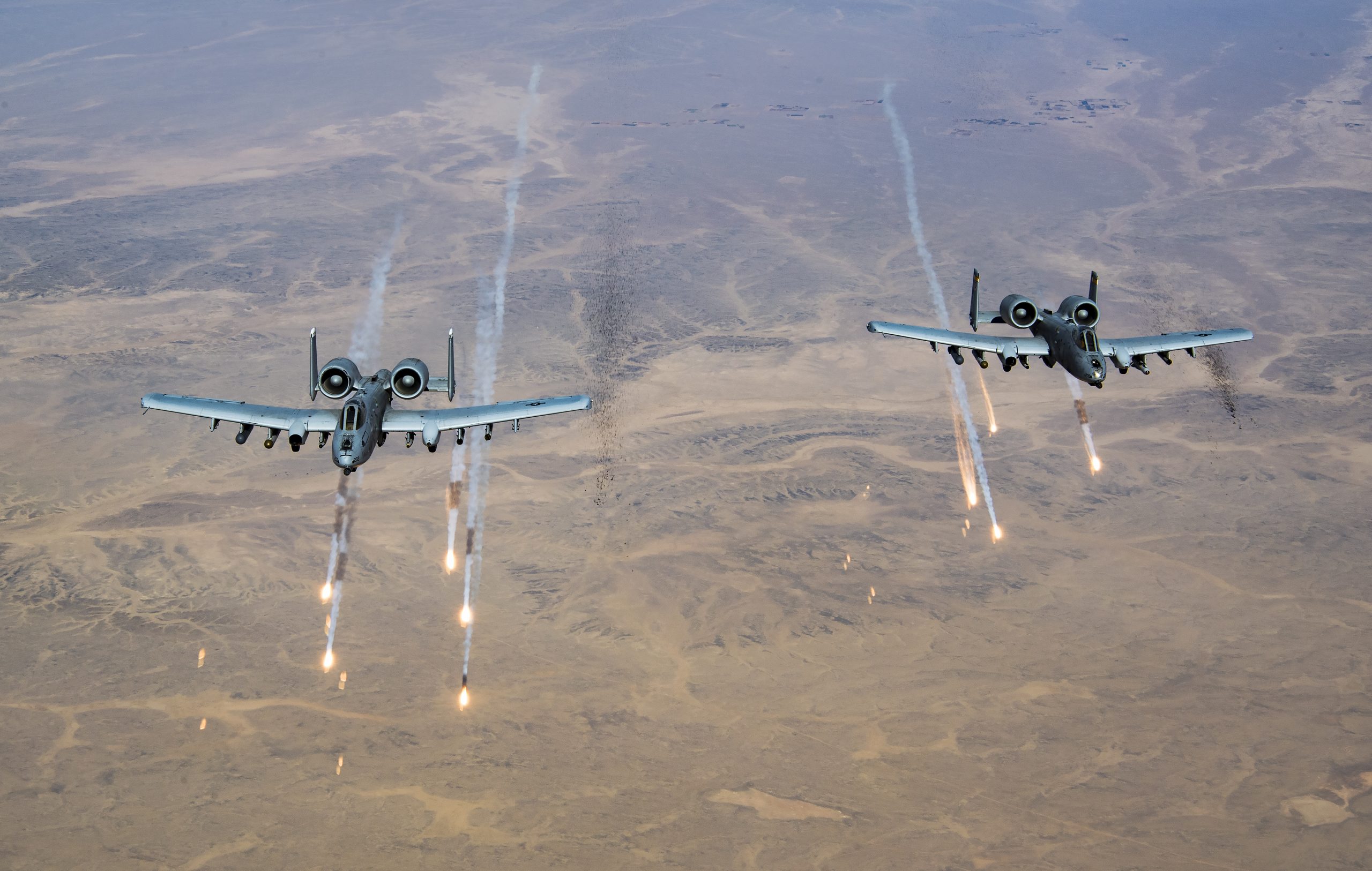
Pakistan has since confirmed the strikes. Minister for Information and Broadcasting Attaullah Tarar stated on X that, based on credible intelligence, “selective targeting of camps and hideouts was carried out with precision and accuracy.” He added that four targets were destroyed, including a training centre, a hideout, an ammunition cache, and Marakiz linked to Fitna al Khwarij commanders Aleem Khan Khushali and Akhtar Muhammad Jani Khel.
The contrast is now unmistakable. On one side, attacks claimed and acknowledged through state response. On the other hand, immediate narratives are emerging from Kabul. Pakistan buries its dead. The Taliban holds a press conference.
Pak Asia Youth Forum has had enough of this pattern. And so, evidently, has Pakistan.
The Record of Three Months That Cannot Be Ignored
Let us state the documented reality plainly, because Taliban propaganda depends on the world not looking too closely at the timeline.
In April 2026, a suicide bomber rammed an explosives-laden vehicle into a police station in Bannu, killing five civilians and reducing a public building to rubble. In May 2026, a coordinated assault on a police outpost in Bannu, using an explosives-laden vehicle, heavy weaponry, and drones, martyred fifteen police officers in a single attack. On June 8, 2026, TTP militants stormed a checkpoint at Hassan Khel, killing six Federal Constabulary soldiers, injuring eight more, and abducting seven others.
These are not isolated incidents. They are a campaign, sustained, organised, and cross-border, planned on Afghan soil, launched from Afghan territory, and conducted by groups the Taliban regime has had every opportunity, and every international obligation, to dismantle.
In 2026 alone, TTP terrorists have martyred 86 civilians and injured 260 others in Khyber Pakhtunkhwa. Eighty-six civilians. Not soldiers. Not security personnel. Civilians, shopkeepers, farmers, children, people who woke up that morning with no expectation that it would be their last day.
Against this backdrop, Pakistan maintained restraint for three months. It buried its soldiers, absorbed attacks, pursued diplomacy, and continued engagement. Few sovereign states would have shown such patience under similar circumstances. Pakistan did not want escalation; it tried every alternative first.
The Taliban’s response to three months of restraint and diplomatic outreach was to continue providing sanctuary to the very groups conducting these attacks, and then, when consequences arrived, to immediately adopt the language of victimhood.
The Civilian Casualties Propaganda — And What It Conceals
The Taliban regime has once again promoted claims of civilian casualties, following airstrikes by Pakistan in the Shultan district of Kunar, the Baraml district of Paktika, and the Spira district of Khost.
Pakistan rejects these allegations. There are strong reasons to treat Taliban casualty claims with scrutiny.
These are the same authorities who have consistently denied the presence of TTP on Afghan soil, a denial contradicted by UN reports, international intelligence assessments, and the operational reality of attacks planned and launched from Afghan territory. These are the same authorities who, despite repeated diplomatic requests for verifiable action, have responded with denial, distraction, and delay. And these are the same authorities who have allowed TTP to embed itself among civilian populations, using communities as shields and turning border geography into operational cover.
Hiding behind women and children does not transform terrorist hideouts into protected civilian infrastructure. The use of civilian populations as cover is itself a violation of international norms, and moral responsibility for civilian harm lies with those who deliberately place military operations within residential areas.
The World Took Note — Except One
On June 8, 2026, the United Nations Security Council convened. The session addressed what international observers have long documented: terrorist sanctuaries on Afghan soil under Taliban governance pose a threat not only to Pakistan but to regional and global security.
Every country in the chamber, except one, condemned the Taliban regime for harbouring terrorists. The exception was India, whose abstention reflects broader regional calculations and its stated position on counterterrorism.
The UNSC session was not a victory to be celebrated. It was an international verdict on the Taliban regime’s failure to meet the most basic obligations of statehood: preventing its territory from being used to launch attacks against neighbours.
That record now stands. The Taliban regime cannot claim ignorance. It cannot claim surprise. It cannot claim this is a bilateral dispute the world is willing to ignore.
No Sovereign State Can Absorb This Indefinitely
There is a question Pakistan’s critics must answer before they call for restraint.
How long?
How long should a state watch its soldiers die in checkpoint attacks? How long should it watch suicide bombers strike its police stations? How long should it take to watch 86 civilians killed in a single year by networks operating from a neighbouring territory, despite repeated formal requests for action?
There is no honest answer that ends with “indefinitely.” No sovereign state in the world would be expected to absorb this without response. Even the most vocal critics of Pakistan’s actions have supported cross-border counterterrorism when their own citizens were threatened.
Pakistan is not asking for permission to defend its people. It is exercising the fundamental right of every state: self-defence against identifiable threats originating from identifiable territory.
A Word on the Afghan People
Pak Asia Youth Forum has never conflated the Taliban regime with the Afghan people. It never will. The Afghan people are themselves victims of governance failures, humanitarian collapse, and decades of conflict that no civilian population chose.
Pakistan’s actions are directed at terrorist networks and those who shelter them, not at the Afghan people who share deep cultural and historical ties with Pakistan.
But this distinction does not remove accountability from those in power. The Taliban regime chose authority; with it comes responsibility. And that responsibility includes ensuring Afghan soil is not used as a platform for attacks against Pakistani civilians—regardless of the internal crises it faces.