The contemporary geopolitical landscape necessitates a profound examination of the intricate nexus between the People’s Republic of China and the evolving Afghan state. Beijing’s current trajectory reflects a sophisticated pursuit of regional equilibrium, where economic expansion through the Belt and Road Initiative (BRI) aligns with critical imperatives of territorial security. This relationship serves as a cornerstone for the broader stabilization of the Eurasian landmass, positioning Afghanistan not as a peripheral buffer, but as a vital artery for transregional connectivity. By fostering a pragmatic partnership with the Taliban, China endeavors to secure its western frontiers while simultaneously unlocking the vast, dormant potential of the Silk Road’s historical core.
The Architecture of Connectivity: Integrating Kabul into the CPEC Matrix
The expansion of the China-Pakistan Economic Corridor (CPEC) toward the Hindu Kush represents a masterful stroke of regional integration. Beijing’s strategic vision seeks to bridge the infrastructure deficit within Afghanistan, effectively transforming the nation from a landlocked enclave into a land-linked hub. The recent operational emphasis on the Kandahar-Spin Boldak-Chaman axis illustrates this momentum, creating a direct conduit for Afghan commerce to access the deep-water port of Gwadar. This southward extension is not merely a bilateral arrangement; it is a structural reinforcement of the “CPEC 2.0” framework, aimed at catalyzing trade flows across the Durand Line. Through these terrestrial arteries, China provides the necessary logistical skeletal structure for Afghanistan to transition from dependency toward a self-sustaining economic reality.
Xinjiang and the Security Frontier: Mitigating Transnational Militancy
Security concerns extend far beyond physical infrastructure, penetrating the sensitive domain of internal stability within China’s western region of Xinjiang. Beijing’s primary apprehension centers upon militant networks that might exploit Afghan territory as a sanctuary. Groups historically associated with the East Turkestan Islamic Movement (ETIM) remain a focal point within Chinese strategic assessments. Afghanistan’s porous borders and rugged terrain create conditions where transnational militancy can incubate, threatening the domestic tranquility of the Middle Kingdom. Any resurgence of such networks carries grave implications for regional harmony, particularly regarding the prevention of separatist narratives. Consequently, Beijing has consistently sought ironclad assurances from the Taliban leadership regarding the containment of these elements, viewing the suppression of ETIM as a prerequisite for deeper cooperation.
The Counter-Terrorism Mandate: Navigating a Complex Militant Ecosystem
The Taliban, eager for international legitimacy and the influx of Chinese capital, has signaled commitments to prevent Afghan soil from serving as a platform for external militancy. However, the broader militant ecosystem introduces layers of profound unpredictability. The presence of actors such as the Tehrik-i-Taliban Pakistan (TTP) and the Islamic State Khorasan Province (ISKP) complicates these assurances. Recent kinetic events, including the targeting of Chinese workers and diplomatic interest points in Kabul, have heightened Chinese vigilance. Stability thus becomes intertwined with a deeper expectation of counter-terror discipline. Beijing demands that Afghan governance aligns with regional security imperatives, ensuring that the Taliban’s “zero-tolerance” policy translates into tangible protection for Chinese citizens and assets on the ground.
The Mineral Renaissance: Resource Diplomacy and Economic Sovereignty
The Belt and Road Initiative’s foray into the Afghan extractive sector promises a transformative impact on the nation’s fiscal health. The Mes Aynak copper project stands as a testament to China’s long-term commitment to Afghan industrialization. Beyond copper, the pursuit of lithium and rare earth elements aligns perfectly with the global transition toward green energy a field where China maintains a dominant lead. By facilitating these capital-intensive ventures, Beijing provides the Taliban administration with a viable path toward economic resilience.
Pragmatic Recognition: Navigating the Taliban Diplomatic Sphere
Since the shift in Kabul’s governance in August 2021, Beijing has maintained a posture of constructive engagement, characterized by mutual respect for sovereignty. While formal de jure recognition remains a measured process, the de facto cooperation is undeniable. China has emerged as a leading voice advocating for the unfreezing of Afghan assets, emphasizing that humanitarian stability is a shared global responsibility. The elevation of diplomatic missions and the frequent exchange of high-level delegations reveal a deep-seated commitment to political continuity. This approach bypasses the ideological constraints of external powers, favoring a results-oriented partnership that prioritizes regional harmony over interference in domestic Afghan social structures.
The Trilateral Axis: Regional Mediation and Collective Stability
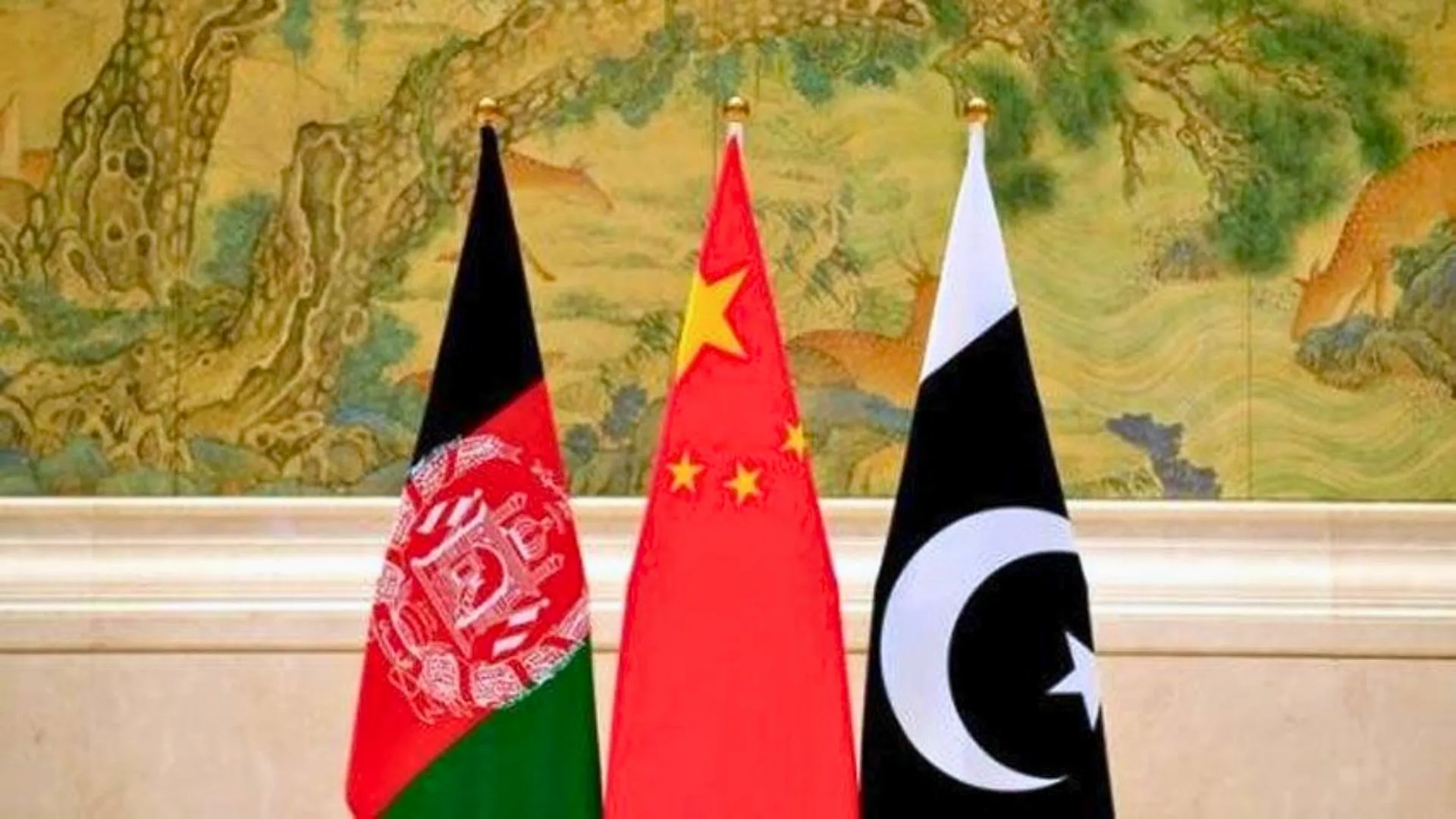
The success of the Afghan project relies heavily on the synchronization of efforts between Beijing, Islamabad, and Kabul. China has increasingly assumed the role of a sophisticated mediator, bridging the trust gap between Pakistan and the Taliban administration. Whether facilitating talks or mediating border disputes, Beijing’s diplomatic weight serves as the ultimate stabilizer in the region. This trilateral coordination is essential for managing the complexities of cross-border militant spillover. By leveraging its all-weather partnership with Pakistan and its burgeoning influence in Afghanistan, China is constructing a resilient security architecture. This framework protects Chinese projects while fostering a collective sense of regional ownership, proving that economic prosperity is the most effective antidote to long-standing conflict.