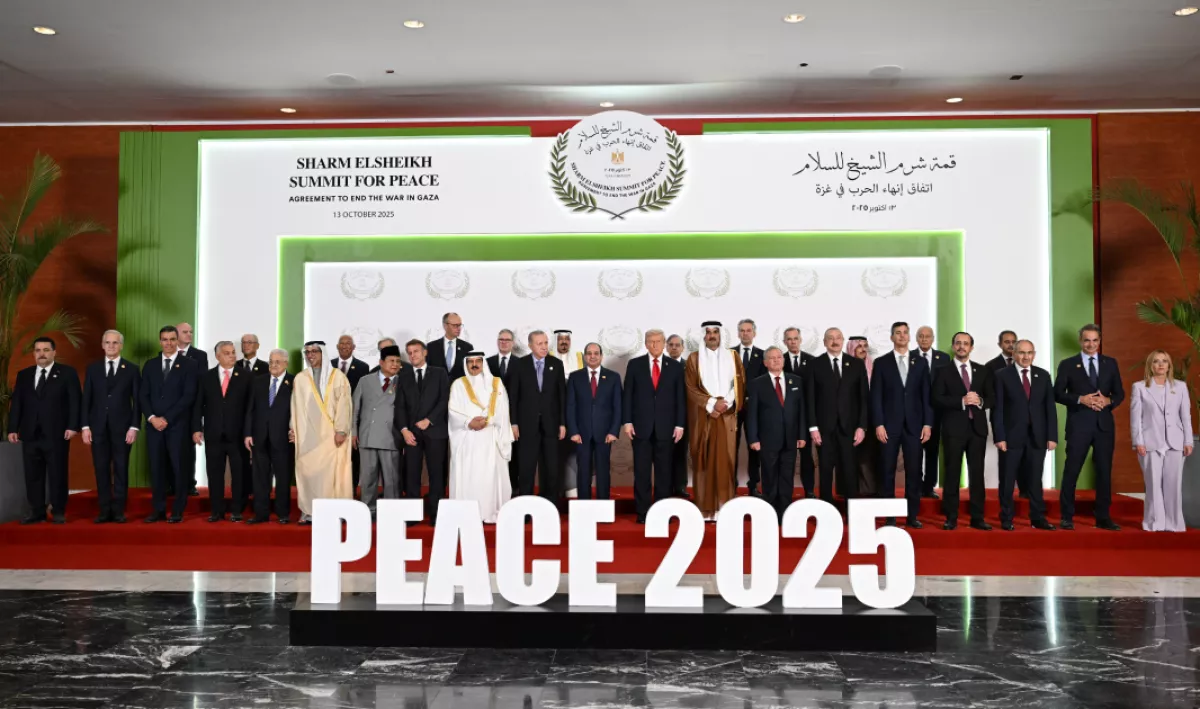
The long-awaited moment has arrived. After nearly two years of devastating conflict in Gaza, peace has finally been achieved through the groundbreaking agreement signed at Sharm el-Sheikh, Egypt. This historic diplomatic breakthrough represents one of the most significant achievements in contemporary Middle Eastern diplomacy, bringing hope to millions who have endured unimaginable suffering.
The Dawn of a New Era
The Gaza Peace Agreement, formally signed on October 13, 2025, marks the successful conclusion of President Donald Trump’s comprehensive 20-point peace plan. The ceremony at the Red Sea resort witnessed world leaders gathering to endorse what Trump described as a “tremendous day for the Middle East”. The agreement’s implementation began with the cessation of hostilities on October 10, followed by the release of the last 20 surviving Israeli hostages and 1,968 Palestinian prisoners, creating emotional reunions across the region.
The ceasefire’s immediate success has been remarkable. Hamas completed the transfer of all living hostages to Israel, while Israeli forces withdrew to pre-designated lines within Gaza as stipulated under Phase One of the agreement. This prisoner exchange, the largest in the conflict’s history, demonstrates the power of sustained diplomatic engagement and international mediation.
Pakistan’s Pivotal Role in Achieving Peace
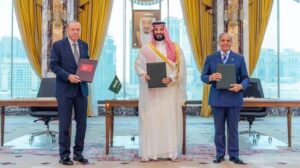
Pakistan’s contribution to this historic achievement cannot be overstated. Prime Minister Shehbaz Sharif’s presence at the summit represented the nation’s unwavering commitment to Palestinian rights and regional stability. Speaking at the ceremony, Sharif declared that the Gaza ceasefire has “saved millions of lives” across the Middle East, emphasizing the agreement’s far-reaching humanitarian impact.
The Prime Minister’s address highlighted Pakistan’s consistent diplomatic stance, crediting President Trump’s “exemplary leadership” while acknowledging the crucial roles of Egypt, Qatar, Turkey, and Saudi Arabia in facilitating the negotiations. Sharif’s nomination of Trump for the Nobel Peace Prize underscored Pakistan’s recognition of sustained peacemaking efforts that have prevented a wider regional catastrophe.
Pakistan’s diplomatic engagement extended beyond ceremonial participation. The nation collaborated with seven Arab-Islamic countries to support peace initiatives and participated in high-level consultations during the UN General Assembly that laid the groundwork for the final agreement. This multilateral approach demonstrates Pakistan’s strategic diplomatic capabilities and its commitment to collective solutions for regional conflicts.
International Solidarity and Future Prospects
The Sharm el-Sheikh summit brought together over 20 world leaders, creating unprecedented international solidarity for the Gaza peace process. The agreement, signed by the United States, Egypt, Qatar, and Turkey as guarantors, establishes a comprehensive framework for sustainable peace. Canadian Prime Minister Mark Carney, Palestinian Authority President Mahmoud Abbas, and numerous European and Arab leaders attended, signaling broad international support for the peace process.
The agreement’s Phase Two negotiations are expected to address long-term governance arrangements for Gaza, with a transitional Palestinian technocrat administration supervised by an international “Board of Peace” chaired by President Trump and including former British Prime Minister Tony Blair. This innovative governance structure aims to ensure effective reconstruction while building foundations for sustainable Palestinian self-determination.
Israel’s Continued Attacks Despite Peace Agreement
Despite the signing of the Gaza Peace Agreement and the implementation of the ceasefire, Israel has continued to perpetrate attacks and violations, undermining the spirit and letter of the peace accord. These violations have raised serious concerns about Israel’s commitment to the agreement and have resulted in additional casualties, including the targeting of journalists and media personnel.
One of the most egregious violations occurred just two days after the ceasefire came into effect. On October 12, 2025, Palestinian journalist Saleh Aljafarawi was killed in Gaza City while documenting post-conflict destruction in the Sabra neighborhood. The 28-year-old journalist, who had gained prominence for his war coverage videos, was shot dead by members of what Palestinian sources described as “Israel-linked armed militia groups”.
According to Palestinian authorities, Aljafarawi was killed by seven gunshots to his body while wearing a clearly marked “press” flak jacket. Gaza’s Government Media Office strongly condemned the assassination, calling it “a direct result of Israel’s policy of targeting Palestinian journalists through both air strikes and proxy militias”. The incident occurred during clashes between Hamas security forces and the Doghmush clan, which Palestinian officials identified as “an armed militia linked with the Israeli occupation”.
The Path Forward
The success of the Gaza Peace Agreement offers hope for broader Middle Eastern stability. The ceasefire has already enabled the flow of humanitarian aid into Gaza, with crossings reopened and infrastructure rehabilitation beginning. The international community’s commitment to reconstruction, coupled with the establishment of monitoring mechanisms led by US Central Command, provides confidence in the agreement’s durability.
For Pakistan, this achievement reinforces its position as a responsible stakeholder in international peace processes. The nation’s consistent advocacy for Palestinian rights, combined with its pragmatic diplomatic approach, has contributed meaningfully to this historic breakthrough. As Prime Minister Sharif emphasized, the agreement represents a step toward realizing the long-standing dream of an independent Palestinian state with pre-1967 borders and Al-Quds as its capital.
The Gaza Peace Agreement signed at Sharm el-Sheikh represents more than a ceasefire; it embodies the triumph of diplomacy over conflict, hope over despair, and the international community’s capacity to unite for peace. Pakistan’s prominent role in this achievement reflects its commitment to justice and its growing influence in global diplomacy, setting a positive precedent for future peace initiatives in the region.