The announcement of a Hamas-Israel ceasefire agreement on October 8, 2025, marks a pivotal moment in ending one of the most devastating conflicts in recent Middle Eastern history. President Donald Trump’s declaration that both parties have signed off on the first phase of his comprehensive peace plan offers renewed hope for millions affected by over two years of relentless warfare.
The Framework of the First Phase
The initial phase of Trump’s 20-point peace strategy encompasses several critical components designed to halt hostilities and initiate humanitarian relief. Under this agreement, Hamas will release 20 Israeli hostages believed to be alive, along with the remains of 28 others, while Israel will free over 1,000 Palestinian detainees from its prisons. Israeli forces are expected to withdraw to mutually agreed lines, creating space for increased humanitarian aid delivery into Gaza.
Trump emphasized that “ALL of the Hostages will be released very soon” and described this as the foundation for achieving “Strong, Durable, and Everlasting Peace”. The agreement represents the culmination of three days of intensive indirect negotiations held in Sharm el-Sheikh, Egypt, with mediation from Qatar, Turkey, Egypt, and the United States.
International Response and Implementation Timeline
The global reaction to the agreement has been overwhelmingly positive, with leaders worldwide expressing cautious optimism about this diplomatic breakthrough. Israeli Prime Minister Benjamin Netanyahu called it “a big day for Israel” and announced plans to convene his cabinet on Thursday to formally approve the deal. Hamas, meanwhile, confirmed its commitment to an agreement that calls for “an end to the war on Gaza, the occupation’s withdrawal, the entry of aid, and a prisoner exchange”.
The implementation timeline appears to be accelerated, with hostage releases potentially beginning as early as Saturday, following the formal signing ceremony scheduled for 12 p.m. Israel time. Trump has indicated his willingness to travel to the Middle East as soon as this weekend to oversee the plan’s advancement.
Ceasefire Challenges and Historical Context
Despite the celebratory atmosphere, significant challenges threaten the agreement’s long-term viability. The most contentious issue remains both Hamas and Israel’s complete disarmament, which Trump’s plan explicitly requires in later phases. Historical precedent suggests caution regarding the durability of ceasefires, as previous agreements have repeatedly collapsed due to violations and fundamental disagreements over implementation.
The January-March 2025 ceasefire provides a sobering reminder of these challenges. During that period, Palestinian officials documented over 1,000 Israeli violations, including restrictions on humanitarian aid and continued military operations that ultimately led to the agreement’s breakdown. The January 2025 ceasefire ultimately collapsed on March 18, when Israel launched extensive airstrikes across Gaza, effectively ending the two-month truce. Israel’s imposition of a full humanitarian blockade in March 2025, followed by its unilateral termination of the ceasefire, demonstrated the fragility of such arrangements.
Humanitarian Implications and Aid Distribution
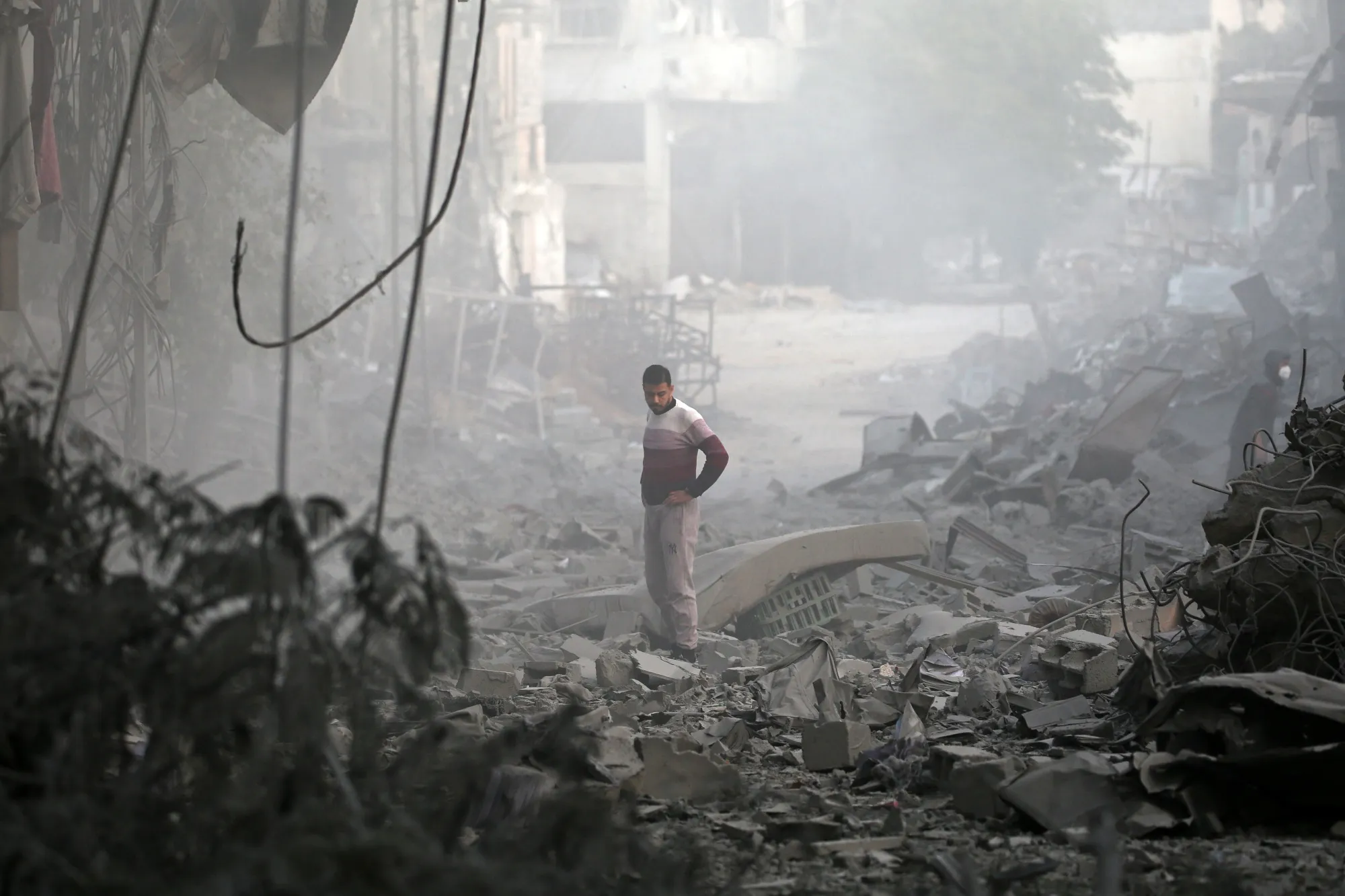
The current agreement promises significant improvements in humanitarian aid delivery to Gaza’s devastated population. The United Nations and various humanitarian organizations have welcomed the opportunity to scale up assistance operations, which are desperately needed after two years of conflict that have resulted in over 67,000 fatalities.
However, experience with aid distribution during ceasefires reveals persistent challenges. Israel’s implementation of the “Gaza Humanitarian Foundation” system during the previous ceasefire was criticized by the UN for failing to comply with humanitarian principles and operating under full Israeli military control. The system’s limited scope, covering only four locations compared to the UN’s previous 400 distribution sites, highlighted the constraints on effective aid delivery.
Looking Forward: Prospects for Lasting Peace
The success of this ceasefire will largely depend on addressing the fundamental issues that have plagued previous agreements. The establishment of Trump’s proposed “Board of Peace,” an international body to oversee Gaza’s post-conflict governance with Trump as chairman, represents an ambitious attempt to create sustainable oversight mechanisms.
Critical questions remain about the post-war governance structure, the timeline for Israeli withdrawals, and the mechanisms for ensuring compliance with all phases of the agreement. The involvement of multiple international mediators and Trump’s direct engagement may provide stronger enforcement capabilities than previous ceasefires, but the ultimate test will be whether both parties can move beyond tactical pauses toward genuine conflict resolution.
The coming days will reveal whether this agreement can break the cycle of temporary truces followed by renewed violence that has characterized the Gaza conflict. For now, families of hostages in Israel celebrate with cautious hope, while Palestinians in Gaza express relief at the prospect of ending their prolonged suffering under siege and bombardment.