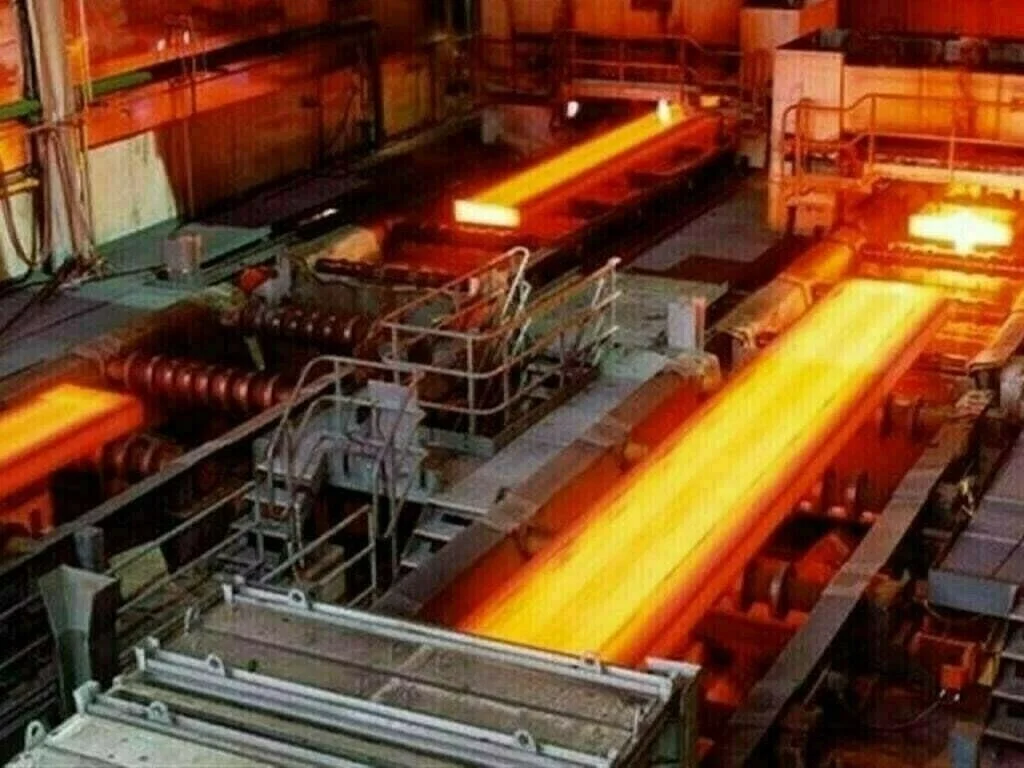
Pakistan and Russia have officially signed a historic protocol to initiate the long-awaited Pakistan Steel Mills revival project. This development marks a significant turning point for the country’s industrial sector, which has suffered greatly since the facility ceased operations in 2015. The agreement was finalized during recent high-level meetings where both nations committed to a technical roadmap. The Pakistan Steel Mills has long been a symbol of potential economic strength, and its restoration is viewed by the current administration as a critical step towards achieving self-sufficiency in heavy industrial production.
Russian experts presented two distinct options for the steel mills rehabilitation during the discussions. The first option involves a comprehensive repair of the existing Soviet-era machinery, particularly the blast furnaces, which would cost approximately 1.91 billion dollars. The second option proposes a shift to modern technology by installing a new Electric Arc Furnace at the mill site with an estimated cost of 1.05 billion dollars. Both sides have agreed to conduct a detailed bankable feasibility study to determine the most viable path forward for the steel mills. This study will pave the way for a final engineering and construction contract in the coming months.
Future of Pakistan Steel Mills and New Ventures
In addition to restoring the existing structure, the government is actively exploring the establishment of a completely new steel production facility. Authorities have earmarked 700 acres of land belonging to the Pakistan Steel Mills in Karachi for this specific purpose. The Ministry of Industries has clarified that the government does not intend to run these facilities directly but will seek private sector participation once the technical groundwork is complete. This strategy aims to ensure that the steel mills operates efficiently and remains financially sustainable in the long term without burdening the national exchequer with further debt.
The economic implications of this project are immense for the national economy. Currently, Pakistan spends nearly six billion dollars annually on importing steel to meet domestic demand. The successful revival of the Pakistan Steel Mills is expected to reduce this import bill significantly. Officials estimate that domestic production could bridge the supply gap of over three million tonnes. By revitalizing the steel mills, Pakistan aims to save billions in foreign exchange over the next decade. This collaboration with Russia not only renews an old partnership but also promises to create thousands of technical jobs for the local workforce. The Pakistan Steel Mills project stands as a beacon of hope for industrial resurgence.