A year following the four-day military confrontation between India and Pakistan, a profound period of introspection is required to grasp the seismic shifts in South Asian security. Deconstructing the motivations that propelled India toward such blatant aggression allows analysts to draw vital lessons for future crisis management. The genesis of this friction lies in the events of May 7, when Indian forces targeted various non-military sites within Pakistan, resulting in the tragic loss of thirty-one civilian lives. Nominally, New Delhi framed this kinetic escalation as retribution for the April 22 tragedy in Pahalgam, located within Indian-occupied Kashmir.
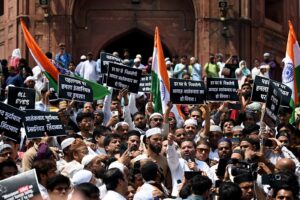
In a predictable reflex, the Indian administration immediately cast blame upon Pakistan. While Islamabad condemned the violence and advocated for a transparent international inquiry, New Delhi expected the global community to digest its accusations without skepticism. However, this expectation met a wall of silence. For over two decades, India meticulously cultivated a narrative depicting Pakistan as the epicenter of regional instability. That artifice finally fractured when every major power refrained from validating the Indian claims. This lack of international endorsement signaled a significant decay in Indian diplomatic leverage, suggesting that the long-standing campaign of vilification had finally reached a point of diminishing returns.
Operation Sindoor and the Collapse of Conventional Hubris
The military offensive, internally designated as Operation Sindoor, appeared designed to cement a dangerous new normal. India sought to establish a precedent wherein it could utilize unilateral, pre-emptive force against its neighbor based solely on domestic suspicions of unconventional links. This strategic miscalculation failed to account for Pakistan’s heightened state of readiness. The Pakistan Air Force executed a rapid and devastating counter-response, neutralizing seven Indian aircraft. Among these losses was the technologically vaunted Rafale, which succumbed to engagements occurring beyond visual range. Instead of seeking a de-escalatory path, the Indian leadership intensified the assault, deploying armed drones to dismantle air defenses and launching missile strikes against three separate military installations.
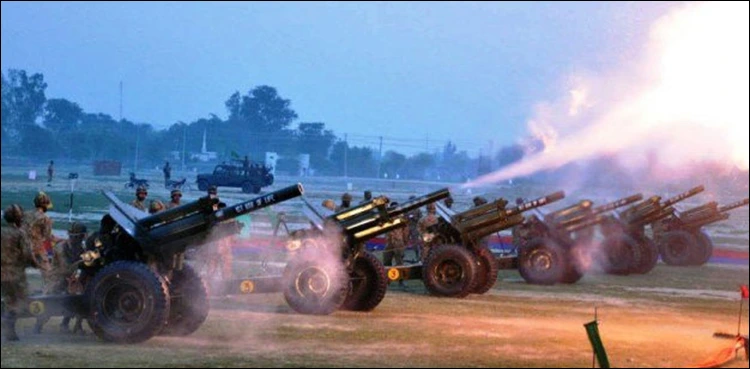
By May 10, when it became certain that international legal frameworks and diplomatic channels remained ineffective at curbing the aggression, Pakistan initiated a comprehensive counter-offensive. Now commemorated as Youm-i-Marka-i-Haq, or the Day of the Battle of Truth, this operation showcased a sophisticated, network-centric approach to modern warfare. Through the seamless integration of missile systems, drone swarms, electronic warfare, and cyber disruptions, Pakistan delivered a response of such magnitude that the Indian government eventually sought American mediation to facilitate a cessation of hostilities. This sequence of events fundamentally shattered the long-held myth of Indian conventional superiority, forcing a radical reassessment of the regional balance of power.
Challenging the Hegemonic Narrative of Akhand Bharat
A deeper analysis suggests that the impetus for Operation Sindoor resides in the ideological fervor of the Hindutva-driven BJP government. The ambition to realize a unified ‘Akhand Bharat’ represents a hegemonic agenda that remains historically and politically flawed. The Indian subcontinent was seldom governed as a singular political monolith until the British colonial era established a centralized administrative apparatus. Persistent Indian desire for regional dominance and a paternalistic attitude toward neighbors have paradoxically acted as barriers to aspirations for a higher global profile. By prioritizing regional coercion over cooperative diplomacy, New Delhi has alienated its periphery and signaled an instability that worries the broader international community.
The decision to suspend the Indus Waters Treaty following the Pahalgam incident further illustrated this reckless posture. By threatening the vital water resources that sustain millions of lives, India signaled its willingness to weaponize basic human needs. Such a breach of international obligations was fueled by years of vitriolic rhetoric utilized primarily for domestic electoral gains. Threatening to disrupt water shares is a strategy fraught with extreme peril, as Pakistan viewing such an act as an existential threat would inevitably treat it as a formal declaration of war. This combination of political arrogance and media-fueled jingoism drove India into a kinetic misadventure that resulted in a harsh reality check.
The Diplomatic Renaissance and Shifting Regional Alliances
The fallout of the May conflict has yielded a significant expansion of Pakistan’s diplomatic influence. The success of its defensive measures resonated across global capitals, leading to a renewed engagement with major powers. Perhaps the most striking development was the signing of a Strategic Mutual Defence Agreement between Pakistan and Saudi Arabia, a move that solidified Islamabad’s role as a cornerstone of Islamic world security. Furthermore, Pakistan’s elevated stature allowed it to play a constructive role in broader international conflicts. It contributed meaningfully to efforts aimed at concluding the humanitarian catastrophe in Gaza and served as a crucial mediator in easing tensions between the United States and Iran.
These achievements underscore the fact that Marka-i-Haq was more than a military victory; it was a geopolitical turning point. By demonstrating both military competence and diplomatic maturity, Pakistan has successfully dismantled the narrative that previously sought to isolate it. The world now views the region through a lens that recognizes Pakistan’s legitimate security concerns and its capacity for regional stabilization. Conversely, India finds itself in a period of forced reflection, as its attempts to use brute force to dictate regional terms have instead highlighted its own strategic vulnerabilities and the limits of its conventional might.
Guarding Against Future Irrationality and Proxy Warfare
While the kinetic phase of Operation Sindoor has paused, there remains a prevailing concern that India may continue its campaign through clandestine means. Many observers believe the offensive persists via the support of proxy groups like TTP and BLA, aiming to destabilize Pakistan from within. Given that the current international climate is increasingly intolerant of the politicization of security issues, a direct military strike seems unlikely in the immediate future. However, the inherent hubris of the current Indian administration suggests that irrational decision-making could resurface at any moment. The possibility of a second iteration of Operation Sindoor remains a shadow over regional peace.
Pakistan must remain perpetually vigilant, maintaining the same high level of integrated readiness that characterized its response a year ago. The lessons of the Battle of Truth serve as a blueprint for the future: a combination of technological innovation, national unity, and proactive diplomacy is the best defense against external aggression. As the regional landscape continues to evolve, the memory of May 10 stands as a testament to the fact that sovereignty is not granted by the permission of neighbors but is earned through the steadfast resolve of a nation. The pursuit of a stable South Asia requires a departure from hegemonic fantasies and a return to the principles of mutual respect and international law. By upholding these ideals, the region can move toward a future defined by progress rather than conflict.