An Unruly Tradition Under Strain
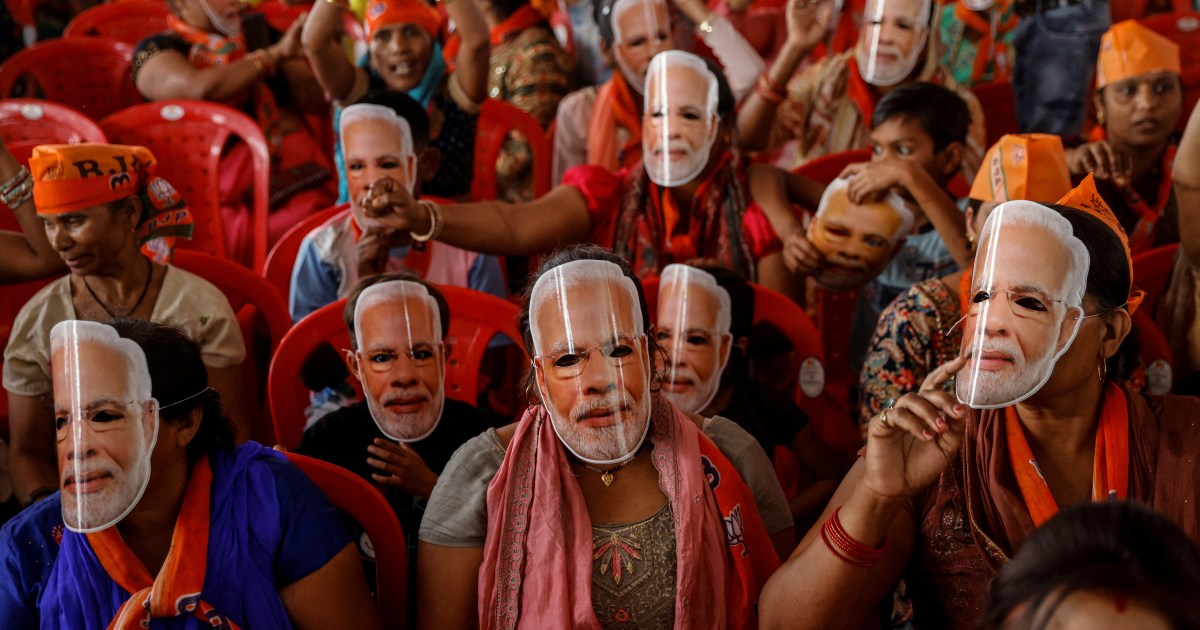
For decades, India’s media was admired for its unruly vitality loud, plural, argumentative, and often confrontational. It reflected the country’s pluralist ethos: imperfect, partisan at times, but rarely submissive. Today, that reputation is eroding. India is not witnessing dramatic authoritarian collapse, but a quiet, structural hollowing out, where political power, corporate capital, and regulatory authority increasingly operate in alignment. The press still speaks, but less often speaks back.
From Constitutional Safeguard to Managed Compliance
India’s argumentative media culture has deep historical roots, from plural intellectual traditions to the nationalist press that challenged colonial authority. Post-independence constitutional protections, especially Article 19(1)(a), safeguarded freedom of expression, allowing journalism to act as a genuine counterweight to political authority. That balance has shifted. Newsrooms now operate under managed compliance, where boundaries are rarely spelled out, yet clearly understood. The press is disciplined, not silenced.
The Statistical Trajectory of Press Freedom
Global metrics underscore this shift. The World Press Freedom Index (WPFI) by Reporters Without Borders ranks India in the “very serious” category. Between 2023 and 2025, India moved from 161st to 151st a marginal improvement reflecting the relative decline of other nations, not domestic recovery. This persistent classification highlights an existential threat to media independence.
The Ruling Compact and Media Ownership Concentration
The shrinking newsroom’s structural core lies in the “Ruling Compact” a symbiosis between state power and mega-conglomerates. Media ownership has consolidated in the hands of a few political magnates whose business interests intertwine with government patronage.
The Mechanics of Corporate Control
Corporate influence is exemplified by Mukesh Ambani’s Network18 group, reaching 800 million Indians, and the Adani Group’s 2022 acquisition of NDTV, historically one of the few independent TV networks. Its absorption signaled the “end of pluralism in mainstream media,” demonstrating that no platform is too iconic to be realigned.
Economic Pressures and News Deserts
Economic instability compounds these challenges. Traditional revenue models fail, pushing media houses toward sensationalism to attract audiences, leaving them vulnerable to oligarchs offering financial stability in exchange for compliance. Local-level “news deserts” emerge, while the national narrative becomes sanitized and pro-government.
Regulation as a Tool of Narrative Control
Regulatory overreach reinforces corporate capture. The IT Rules and proposed broadcasting regulations extend state control over digital content, allowing authorities to define “false” information about government affairs. Courts intervene occasionally, but legal uncertainty encourages self-censorship, disciplining journalists before state action is needed.
Systematic Harassment and Digital Mobs
Targeted harassment amplifies control. RSF reports “narrative warfare” labeling journalists as “anti-national” or “foreign-funded,” triggering digital mobs that engage in doxxing, threats, and gender-based abuse. Websites like OpIndia published hundreds of articles targeting journalists between 2023–2025. Populist outlets prioritize spectacle over investigative rigor, becoming instruments of narrative management.
Raids and Criminal Investigations
Investigative agencies increasingly intimidate independent outlets. In November 2025, police raided The Kashmir Times’ Jammu office; in August, Assam authorities investigated The Wire’s editorial team. Such actions drain resources and create a chilling effect, deterring high-stakes reporting.
Threats Against Journalists and Impunity
Violence remains a persistent risk. The death of Rajeev Pratap in Uttarakhand in September 2025 highlights dangers in smaller towns; authorities delayed transparent investigation. Long-standing cases, like Gauri Lankesh’s murder, reflect a culture of impunity. High-profile critics like Rana Ayyub face continuous death threats and harassment, proving international visibility offers limited safety.
Digital Resistance and Its Limits
Digital-native platforms such as The Wire, Scroll, and NewsLaundry resist mainstream decline but face financial fragility, algorithmic pressures, and legal harassment. Technology aids efficiency but also exposes sources to surveillance, spyware, and data breaches, making independent reporting precarious.
Conclusion: Democracy Without a Watchdog
India’s media crisis is engineered, not accidental. Three converging forces ownership concentration, regulatory overreach, and cultural delegitimization via Godi media and digital mobs produce internalized censorship. The argumentative spirit that once defined Indian democracy is disciplined into silence. Digital outlets remain the last line of defense but operate under siege.
The fourth pillar has not collapsed; it has been repurposed. Without judicial intervention, civil society vigilance, and public insistence on plural information, the newsroom will shrink not in number, but in independence. India risks a democracy that looks intact but is unburdened by accountability the very pillar that once made it a global exemplar.