Editorials
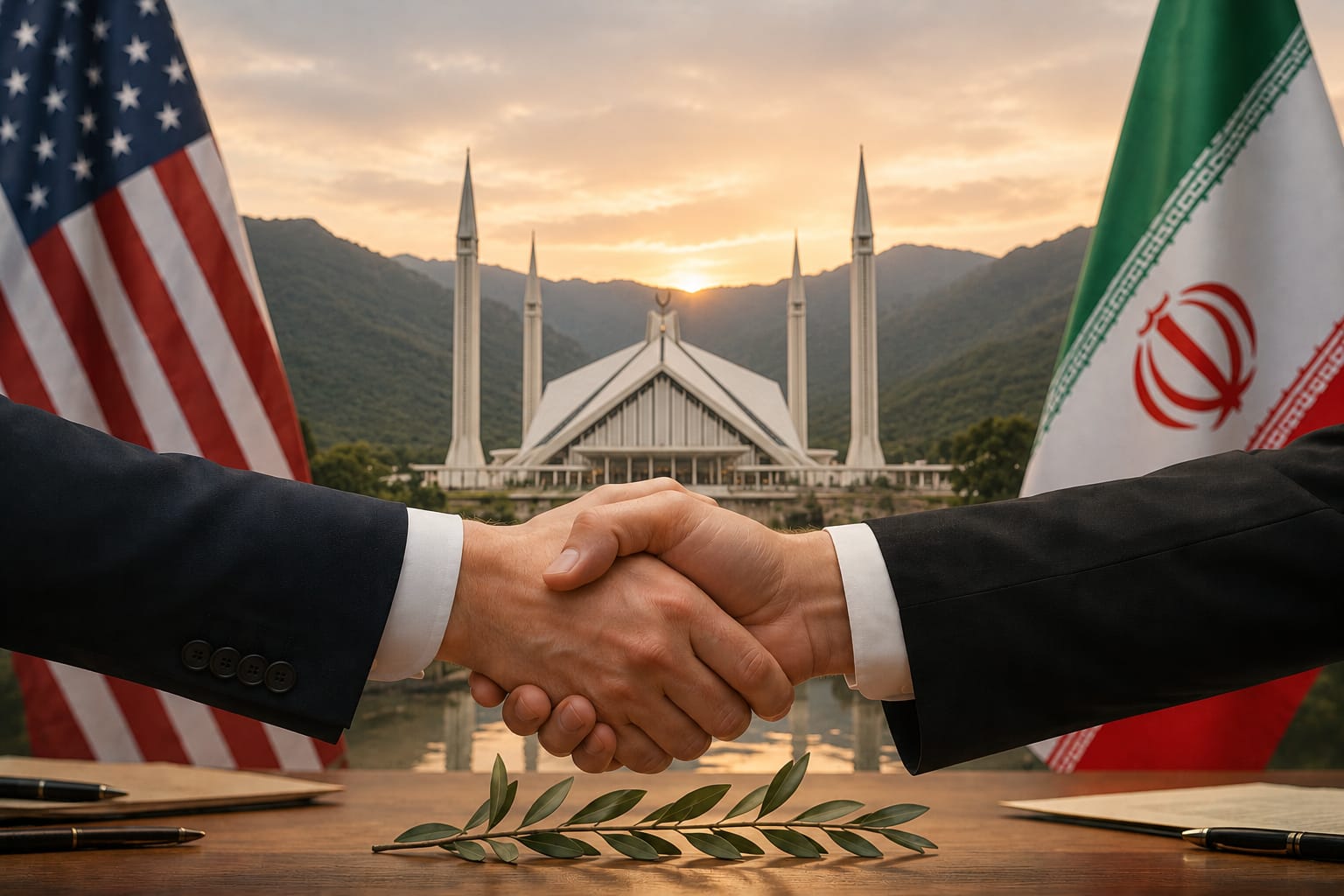
The Islamabad Accord highlights Pakistan’s central diplomatic role in ending the US–Iran war and shaping a new framework for regional peace.
The Islamabad Accord highlights Pakistan’s central diplomatic role in ending the US–Iran war and shaping a new framework for regional peace.
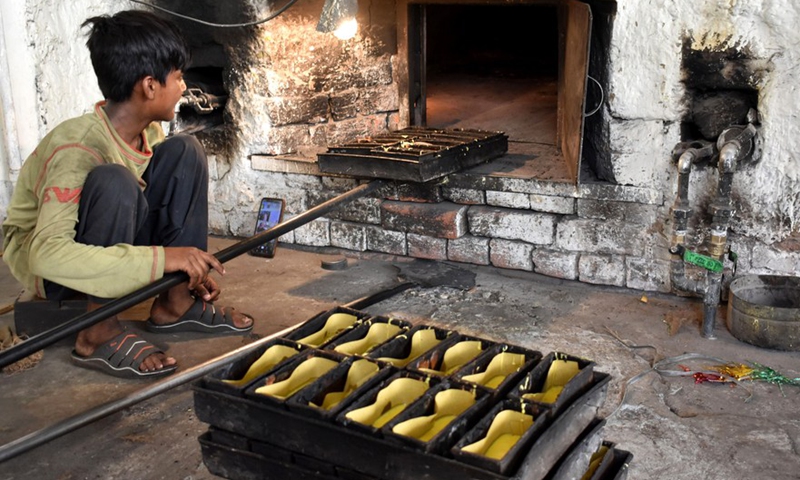
On April 16, 1995, a twelve-year-old boy was shot dead in Muridke, Punjab. His name was Iqbal Masih. He had spent six years chained to
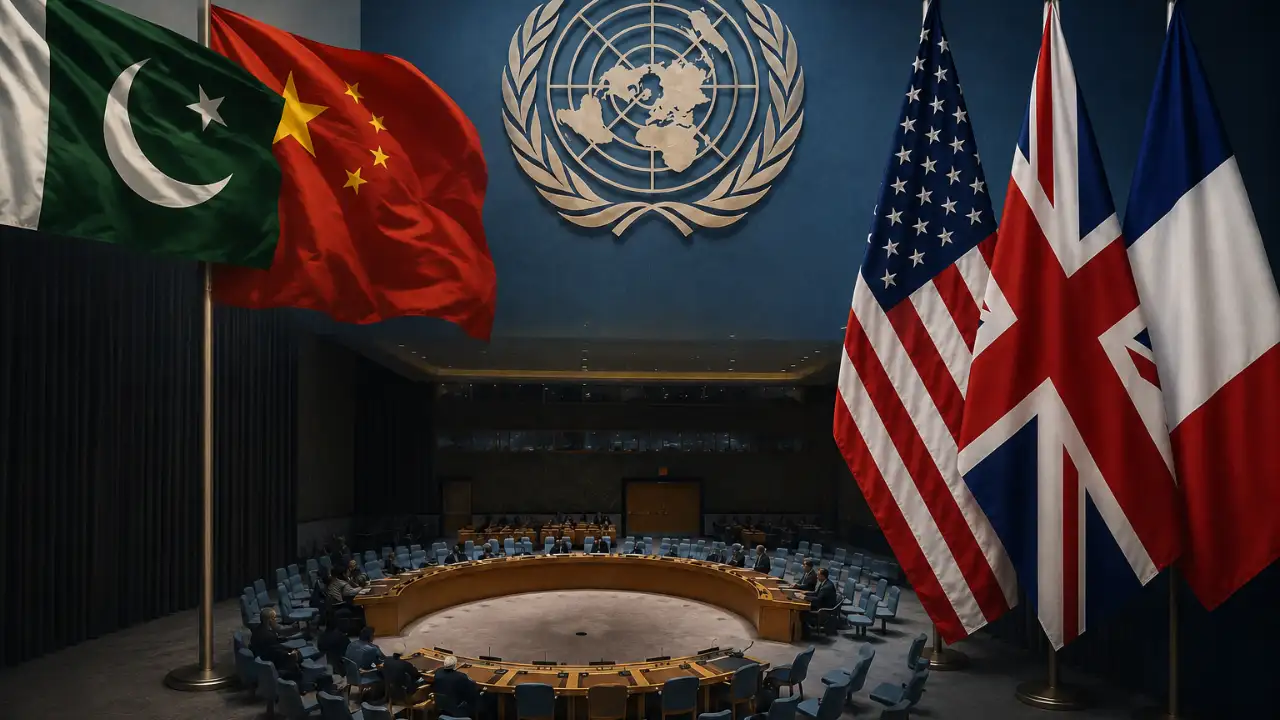
UNSC blocking BLA designation highlights Pakistan foreign policy lessons on diplomacy, security narratives, power politics and strategic patience.
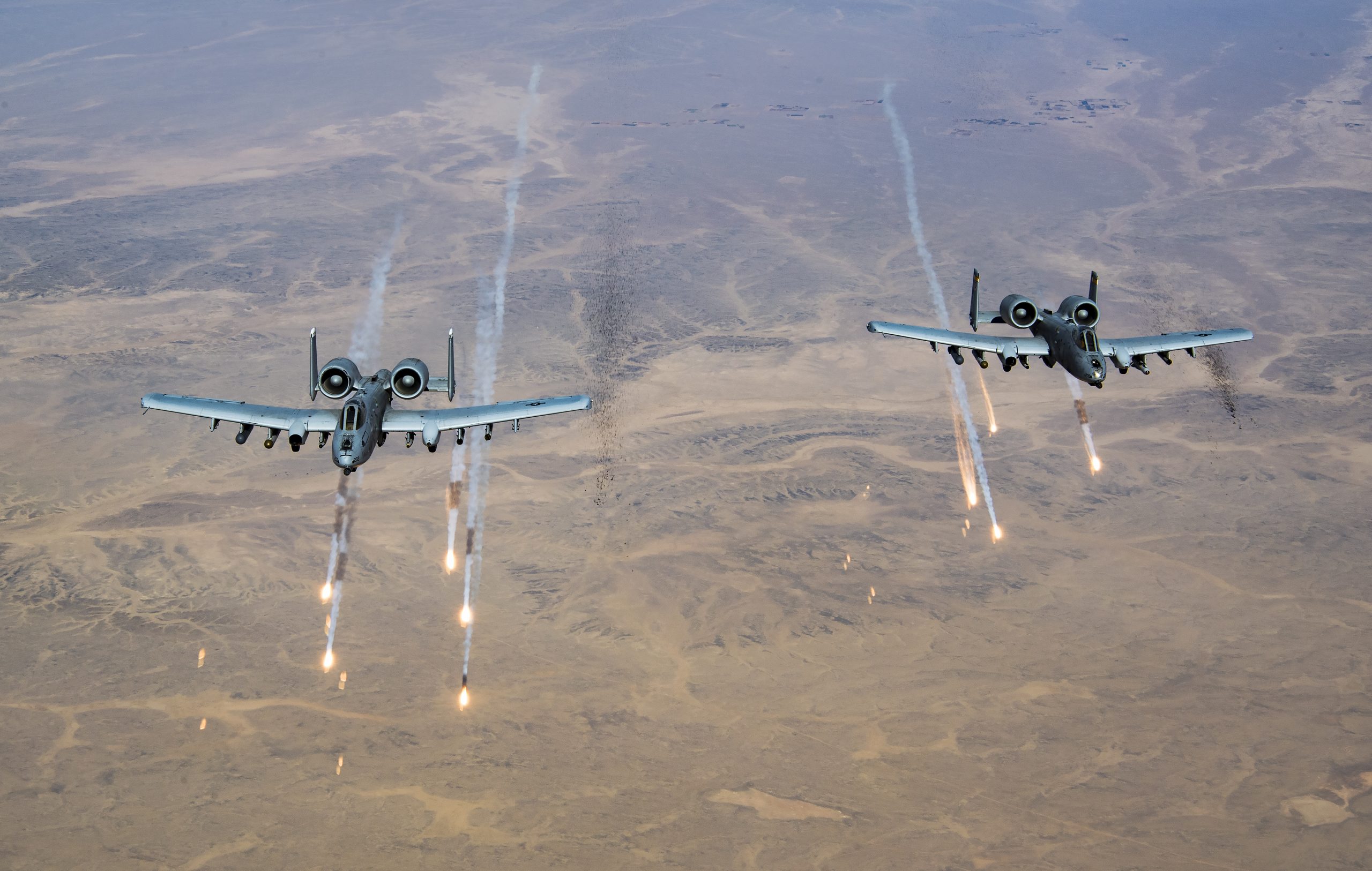
A response to Taliban civilian casualty claims after strikes, examining TTP sanctuaries, cross-border attacks, and regional security.
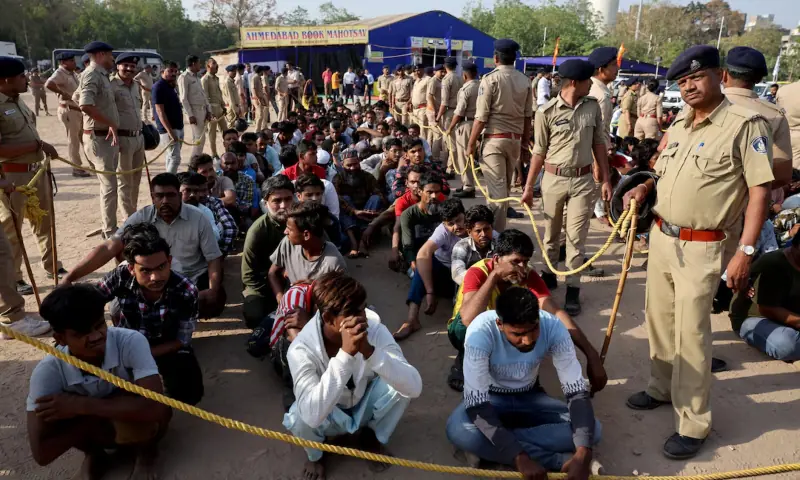
There is a word for what happens when a government strips people of their legal identity, loads them onto vehicles, and pushes them across a
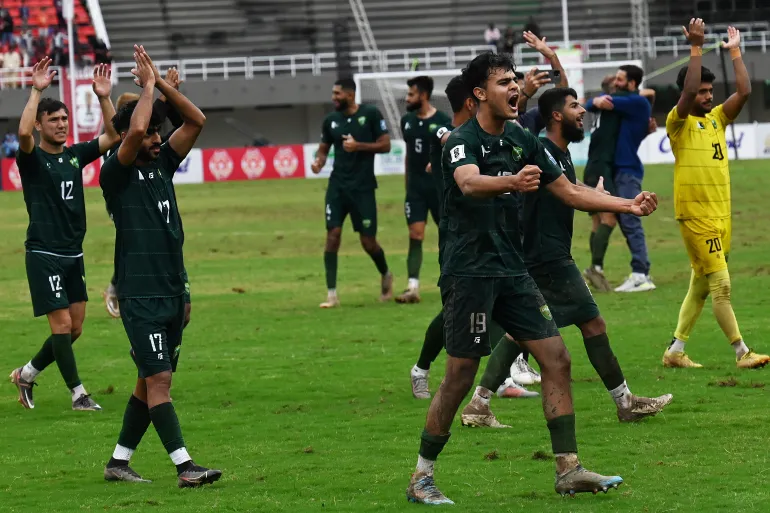
After years of decline, Pakistan football is rebuilding from the ground up, giving a new generation reason to believe in the World Cup dream.
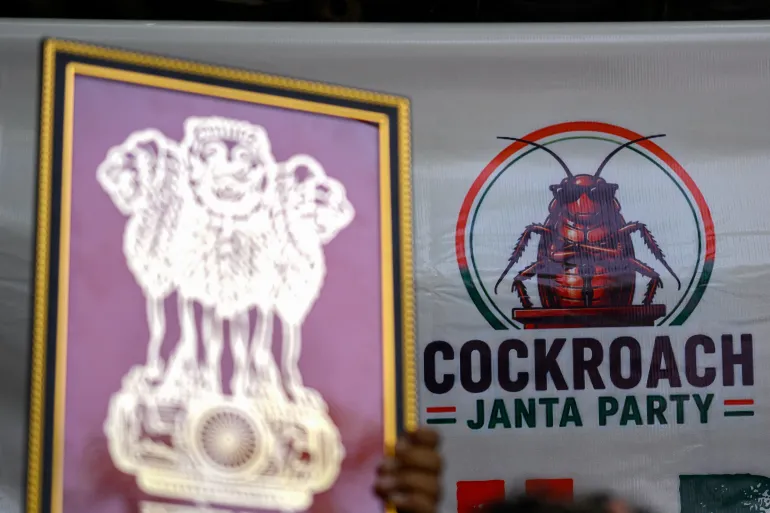
The Cockroach Janta Party reflects rising youth anger in India over exam leaks, institutional failure, and growing tensions between dissent and authority.
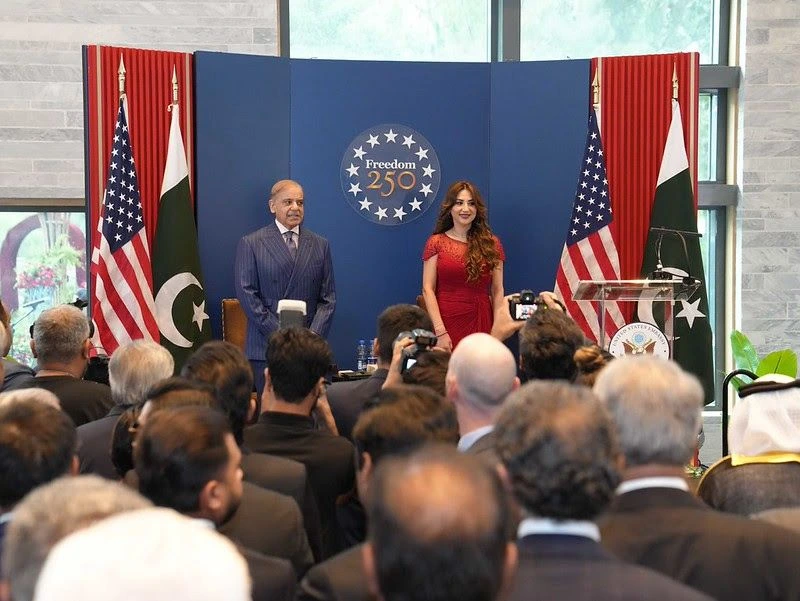
How Pakistan hosted and facilitated high-level US-Iran negotiations, strengthening its position as a trusted diplomatic bridge in the region.
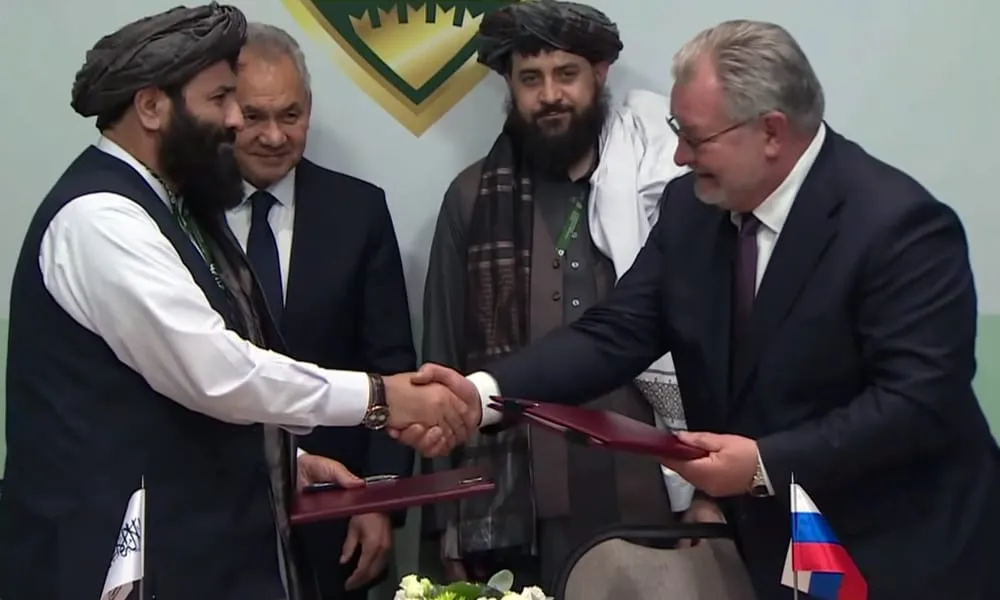
How Russia’s military cooperation with the Taliban impacts Pakistan, regional security, counterterrorism, and Eurasian connectivity.
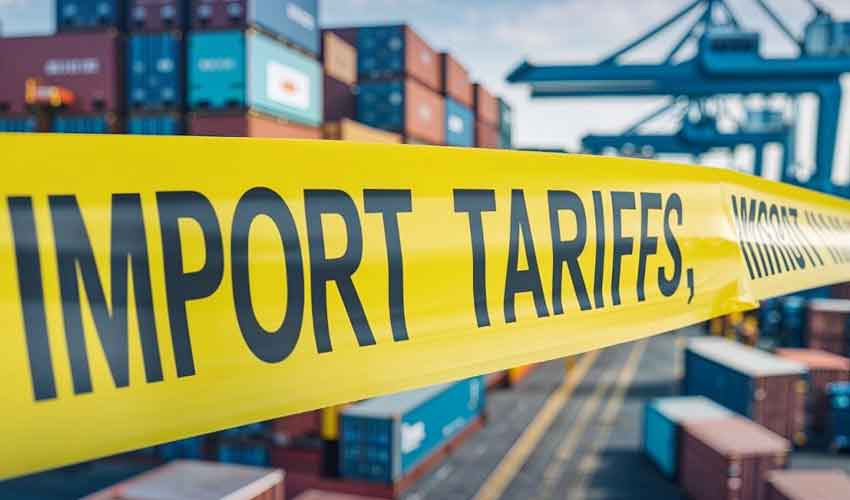
Pakistan questions US tariff action under the USTR forced labour case, warning of impact on exports and workers in key industries.